- The paper introduces EduLLMs, demonstrating how large language models enable personalized learning and real-time intelligent tutoring.
- It details the integration of NLP, machine learning, and data mining to analyze educational datasets and enhance teaching methods.
- The study highlights challenges like data privacy and algorithmic bias while outlining future research directions for ethical AI in education.
Analyzing the Role of LLMs in Education
Introduction to LLMs in Education
The paper "LLMs in Education: Vision and Opportunities" (2311.13160) explores the application of LLMs in the educational domain, identifying broad prospects for transforming traditional education methods. By integrating LLMs with smart education technologies, the paper investigates opportunities for personalized learning, intelligent tutoring, and adaptive assessment. It assesses the current research landscape, emphasizing educational large models (EduLLMs) which leverage LLMs to enhance learning experiences, thereby addressing challenges like student diversity, resource allocation, and teaching effectiveness.
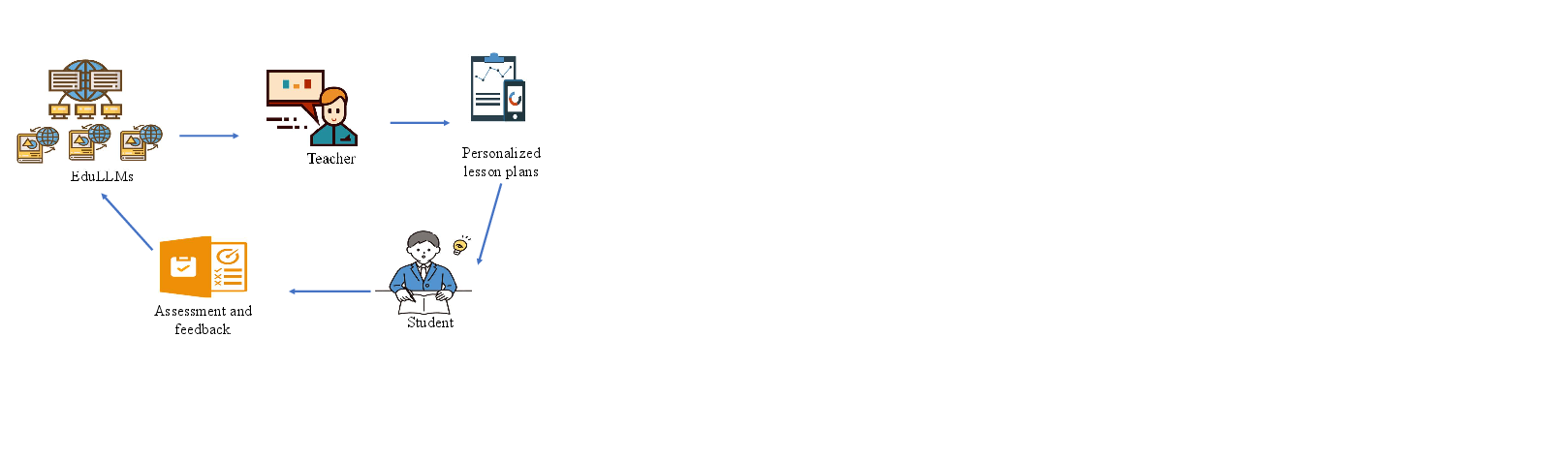
Figure 1: Architecture of LLMs for education (LLM4Edu).
Key Technologies and Applications
EduLLMs draw on a variety of technologies including NLP, machine learning, and data mining. These are employed to analyze extensive educational datasets, facilitating personalized learning experiences. NLP allows models to comprehend and respond to student queries effectively, while deep learning enables advanced pattern recognition for tailoring educational content.
These models have multiple applications within education, such as generating responsive educational materials, offering real-time tutoring, and evaluating student performance. They can also assist teachers in creating customized lesson plans and facilitate student engagement through adaptive learning tools.
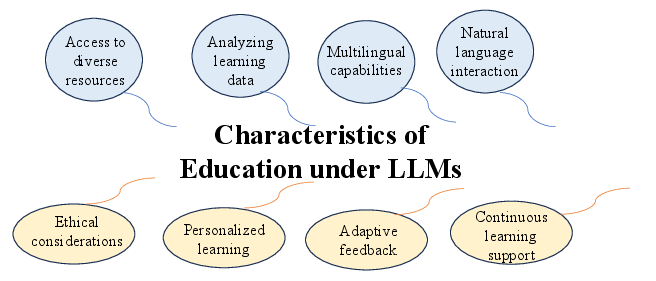
Figure 2: The characteristics of education under LLMs.
Potential and Challenges
While EduLLMs present transformative potential, integrating AI into education involves several challenges. Issues such as data privacy, algorithmic bias, and the need for interpretable models are prominent concerns. Ensuring ethical and fair application within educational contexts requires robust policies and frameworks. Moreover, deploying these models requires significant computational resources, which may not be accessible in all educational environments.
The implications of such models warrant careful consideration, particularly concerning equality and access. EduLLMs need to be designed to enhance rather than exacerbate existing disparities in educational outcomes, ensuring equitable learning experiences across diverse demographics.
Future Directions
Future research should focus on improving model interpretability to foster trust and reliability in educational settings. Expanding the emotional intelligence of models could enable more meaningful interactions with students, providing empathetic support tailored to individual emotional needs.
Other promising directions include enhancing the adaptability and accessibility of EduLLMs across different cultural and linguistic settings, ensuring their utility on a global scale. Exploration into the long-term impacts of AI-driven education will be vital for understanding its role in lifelong learning and personal development.
Research efforts must also address expert concerns regarding ethical issues, emphasizing transparent and accountable use of educational data to promote fair and inclusive educational practices.
Conclusion
The integration of LLMs into the educational sphere heralds significant potential advancements in teaching and learning methodologies. These models promise enhanced personalized learning experiences and intelligent education systems, although they bring complex ethical and technical challenges. Addressing these will require extensive research and collaboration across technology and education sectors. The possibilities continue to expand as AI technologies evolve, paving the way for more sophisticated and human-centric educational environments.