- The paper systematically reviews 19 studies using the PRISMA framework and identifies mindful breathing as a predominant focus in VR-enhanced meditation.
- The paper evaluates diverse meditation types, showing that immersive HMD-driven natural environments and responsive virtual objects boost user presence and stress reduction.
- The paper highlights that integrating physiological feedback and multi-sensory interactions can further optimize VR applications for managing anxiety and improving mental health.
Introduction
The exploration of using Virtual Reality (VR) as a medium to facilitate meditation and mindfulness practices represents a burgeoning interdisciplinary research area. This systematic review meticulously examines the potential of VR in reducing stress and anxiety, particularly within the expanding metaverse—an ecosystem that fuses physical and virtual realities. The review identifies and synthesizes existing research to understand current methodologies and future directions.
Methodology
A systematic literature review was conducted using the PRISMA framework to extract relevant papers from IEEE and ACM databases. This process yielded a total of 19 eligible studies, which were analyzed to address three primary research questions: the types of meditation or mindfulness tasks involved in VR prototypes, factors that VR technology can enhance, and the technological implementations in these immersive experiences.
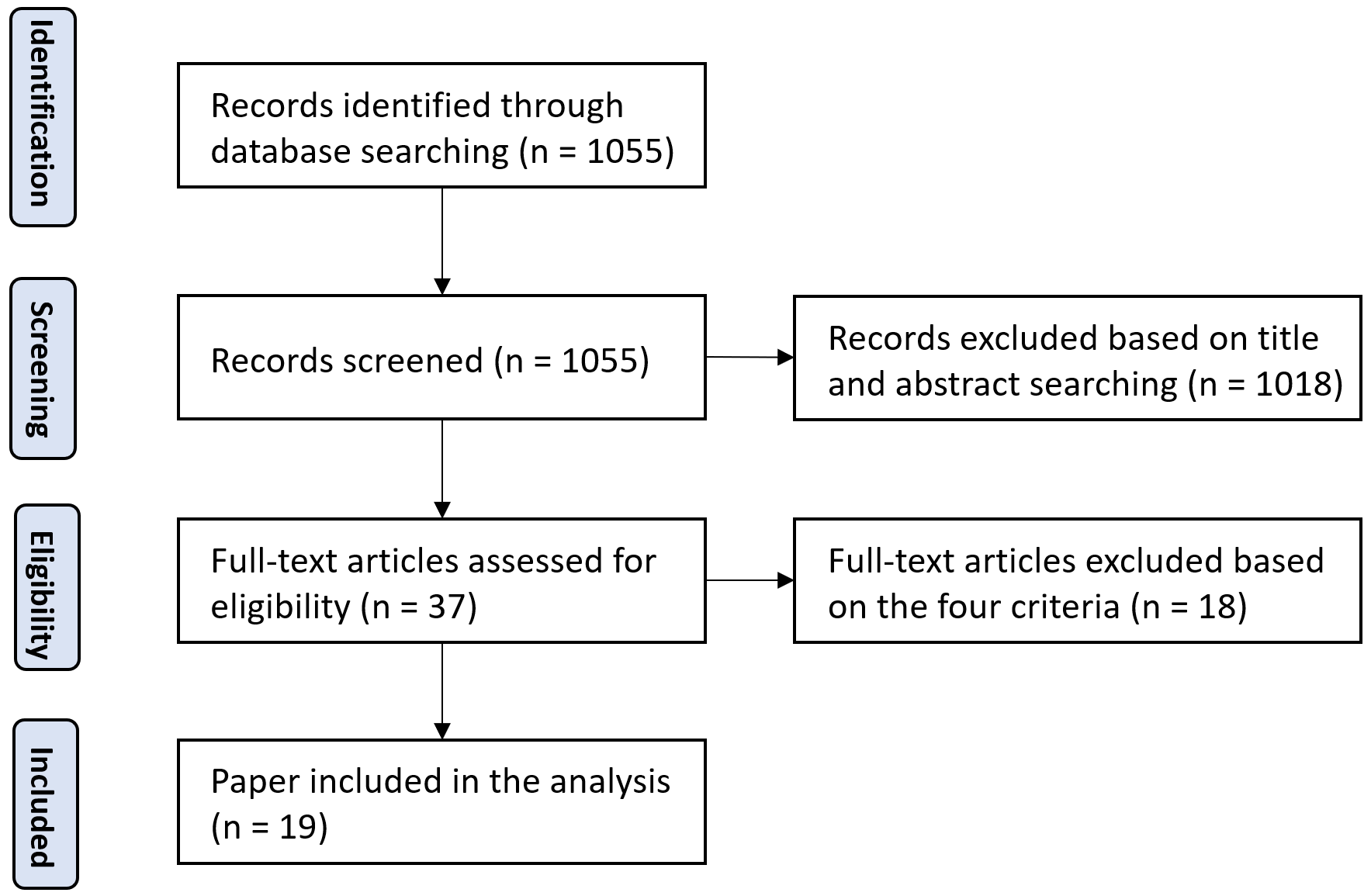
Figure 1: Our literature search process, refer to the PRISMA procedure.
Meditation Types and Mindfulness Tasks
The review identifies a significant gap in the explicit definition and detailed explanation of meditation types within VR contexts. Over half of the explored studies vaguely described their meditation practices, often under broad terms like "mindfulness practice" or "general meditation." Among the more detailed interventions, mindful breathing emerged as a predominant focus, leveraging VR's capabilities to enhance users' awareness of respiratory patterns and deepen concentration.
Design Considerations and Impacting Variables
The integration of VR into meditation practices primarily aims to enhance user presence and immersive experience. However, the studies reviewed varied in scope from simply augmenting sensory experiences to advancing abstract psychological constructs such as empathy and interoceptive awareness. Notably, designs incorporating physiological feedback, particularly respiratory synchronization, demonstrated innovative approaches in utilizing VR to influence the meditation experience profoundly.

Figure 2: Coding structure, driven by research questions.
Virtual Reality and Technological Implementations
VR and Interactive Apparatus
The predominant hardware used in these studies was Head-Mounted Displays (HMDs), capitalizing on their ability to render immersive virtual environments. The choice of VR devices varied; models like Oculus Rift, HTC Vive, and Samsung Gear VR were frequently utilized (Figure 3).
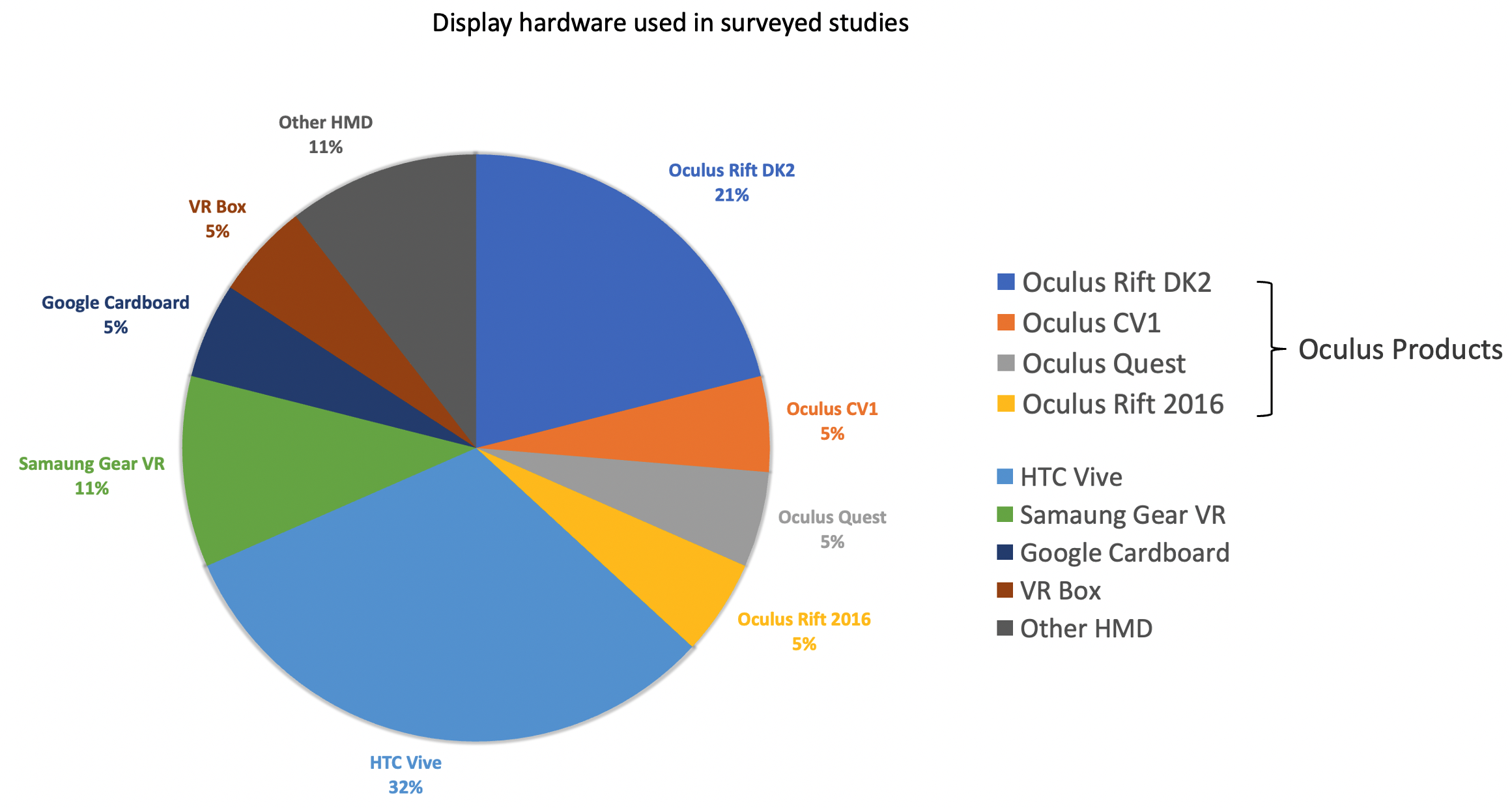
Figure 3: The VR headset models used in the reviewed articles.
Virtual Environments
The environmental contexts within VR meditation applications predominantly featured natural and tranquil settings, such as oceans, forests, and campfires. These naturalistic scenes are instrumental in facilitating a calming and restorative atmosphere conducive to meditation (Figure 4).
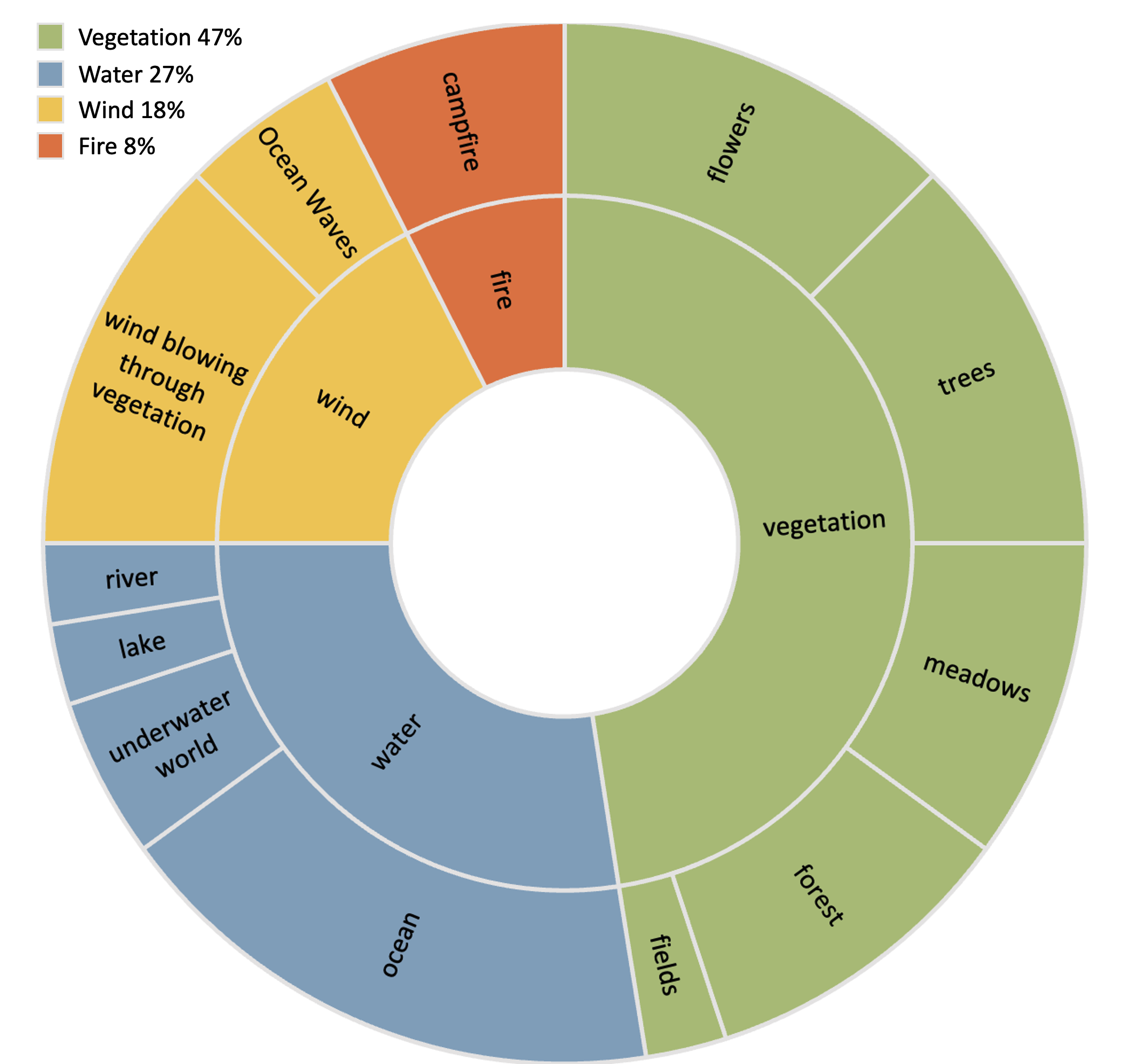
Figure 4: Virtual environment scenes categorized.
Virtual Objects and Self-Representation
Virtual objects in these environments often responded to the user's physiological cues, such as breathing patterns, providing immediate, visible feedback that enhances users' focus and interaction with the meditative process. Virtual self-representation was less explored, though some studies incorporated avatars and multisensory feedback to deepen the sense of presence and agency within virtual spaces (Figure 5).
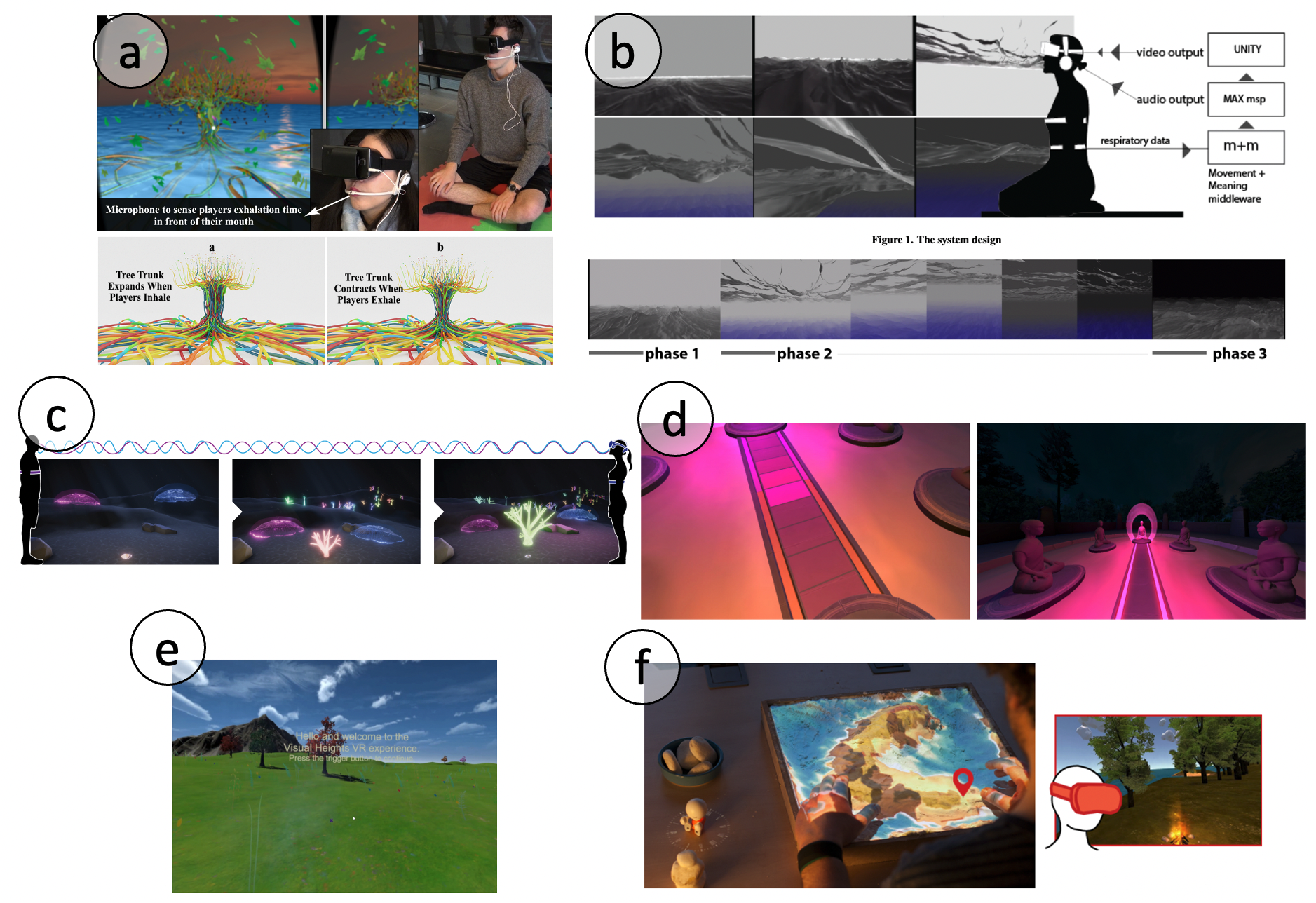
Figure 5: Example of design for breathing to interact with virtual objects.
Implications and Future Directions
The intersection of VR and meditation offers unparalleled opportunities to enhance mental health paradigms. However, this review highlights the need for more comprehensive research to understand which specific meditation types are most effectively augmented by VR technology. Future research could consider developing frameworks that incorporate diverse sensory interactions and explore multi-user meditative experiences in shared virtual spaces.
Conclusion
This systematic review illustrates the promising potential of VR in enhancing meditation and mindfulness practices. While current research demonstrates VR's efficacy in providing immersive and interactive meditation experiences, there remains considerable scope for innovation in self-representation, multi-sensory integration, and the therapeutic applications of VR in mental health. As the metaverse continues to evolve, so too will the opportunities for VR to serve as a transformative tool in stress and anxiety management.