- The paper demonstrates that traditional creativity metrics are inadequate, as AI art emphasizes the co-creative process between humans and machines.
- It details the use of CLIP-guided diffusion and iterative prompt engineering to generate complex, high-quality images from simple text inputs.
- The study highlights how digital communities and online platforms democratize art creation by fostering experimentation and collaborative learning.
Introduction
"The Creativity of Text-to-Image Generation" explores the intricate nature of creativity within text-to-image generation systems. With the advent of AI techniques, particularly text-guided image synthesis, a growing number of users can create digital artworks with minimal technical expertise. This paper examines the intersection of human creativity and AI art through the lens of Rhodes' four P framework: product, person, process, and press. The paper posits that the current product-focused view of creativity inadequately captures the creative nuances in text-to-image generation.
Text-to-Image Generation Systems
The paper discusses how text-to-image generation systems leverage models like CLIP to associate text prompts with visual outputs. While early implementations relied on GANs combined with CLIP for image generation, the field has seen a shift towards diffusion-based methodologies due to their improved quality and control. Open-source platforms like Google Colab facilitate widespread access, allowing both novice and skilled practitioners to experiment with generative techniques. Thus, text-to-image synthesis democratizes digital art creation and questions the essence of creativity when AI co-creates art.
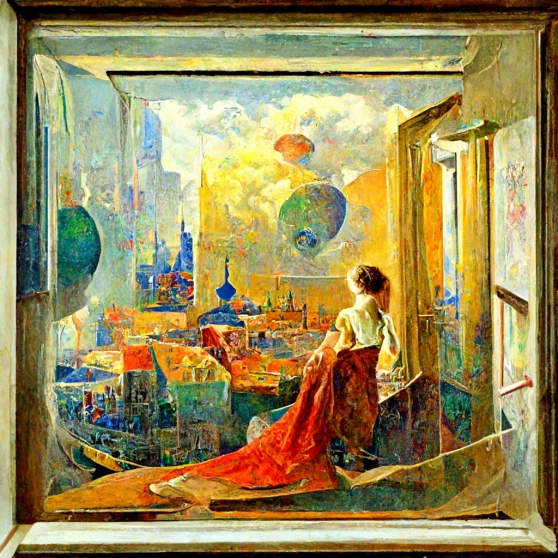
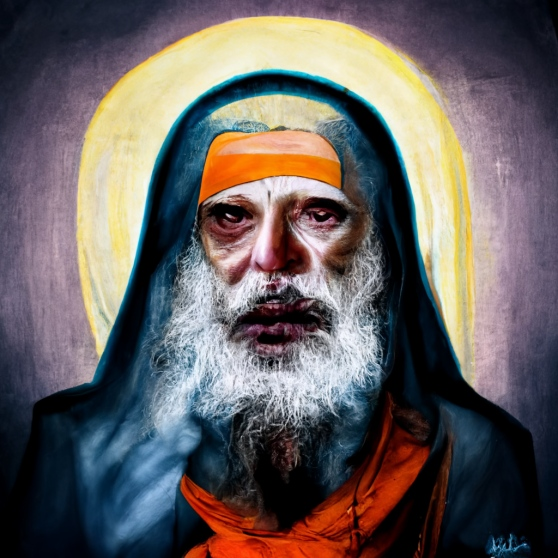
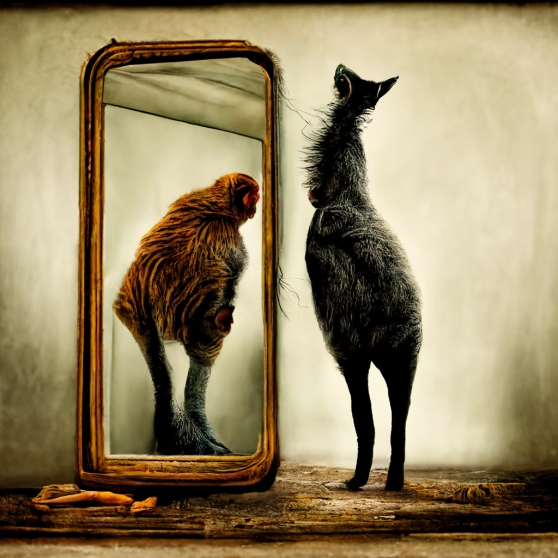
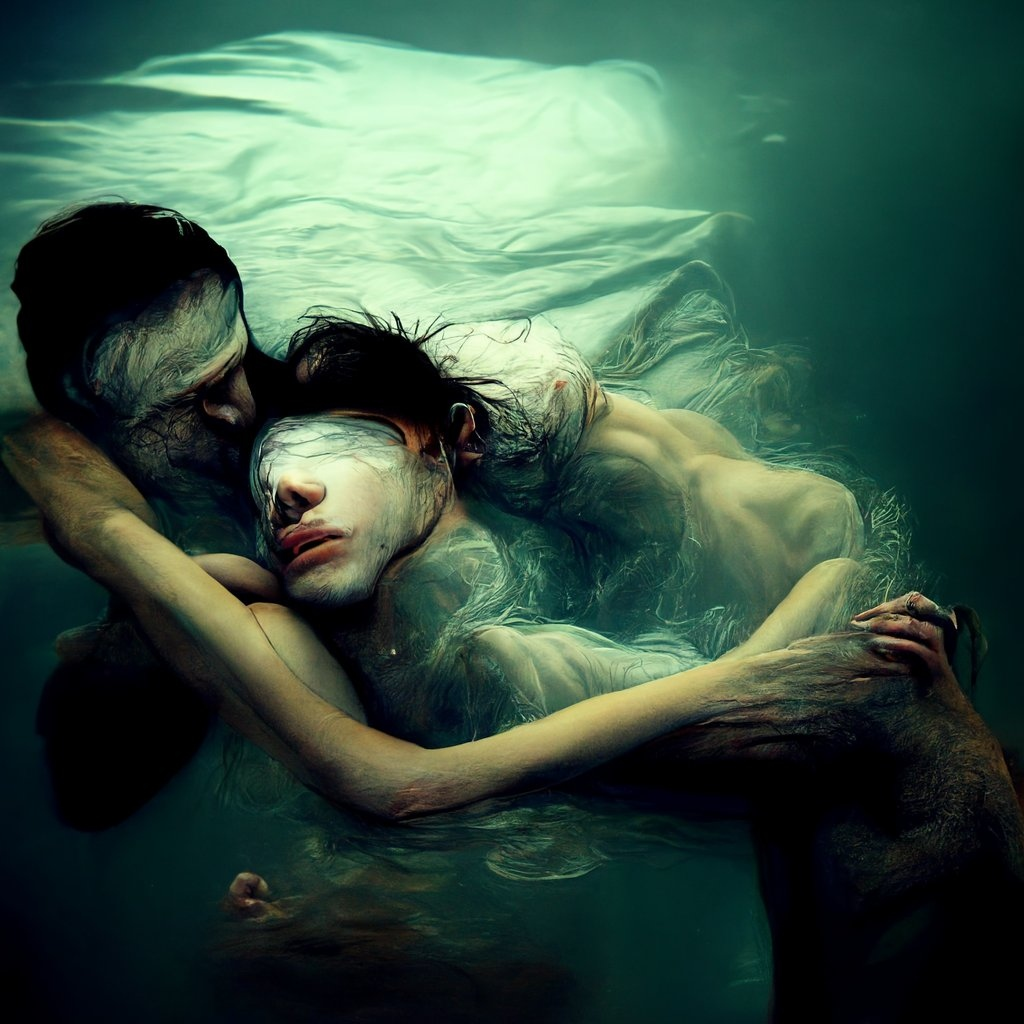
Figure 1: Examples of images generated from parts of music lyrics with Midjourney's CLIP guided diffusion.
Beyond Product-Centered Creativity
While traditional definitions of creativity focus on the originality and utility of the final artifact, this paper argues that such a viewpoint fails to assess the creative process in text-to-image scenarios adequately. With systems capable of creating complex images from simple prompts, minimal creative input can yield outputs traditionally deemed 'creative.' The paper emphasizes the need to consider the full creative process, including the artists' interaction with AI, their iterative prompting, and curation practices to understand creativity in this context.
Human Creativity in AI Art
The Role of Practitioners
The paper highlights the nuanced role of practitioners who, through 'prompt engineering,' explore and interact with AI models to generate desired outcomes. Despite the democratization brought about by text-to-image systems, skilled use involves an understanding of model behavior, prompt structuring, and augmentation through modifiers. The creativity lies in this symbiotic interaction rather than solely in the end product.
Iterative and Curatorial Processes
Practitioners often refine their outputs through iterative processing and thorough image curation at individual and portfolio levels. The iterative nature allows practitioners to refine their prompts based on the feedback from the models, engaging in a co-creative dialogue that significantly impacts the quality and creativity of the final image. The selection and curation processes are presented as creative acts akin to traditional artistic practices.
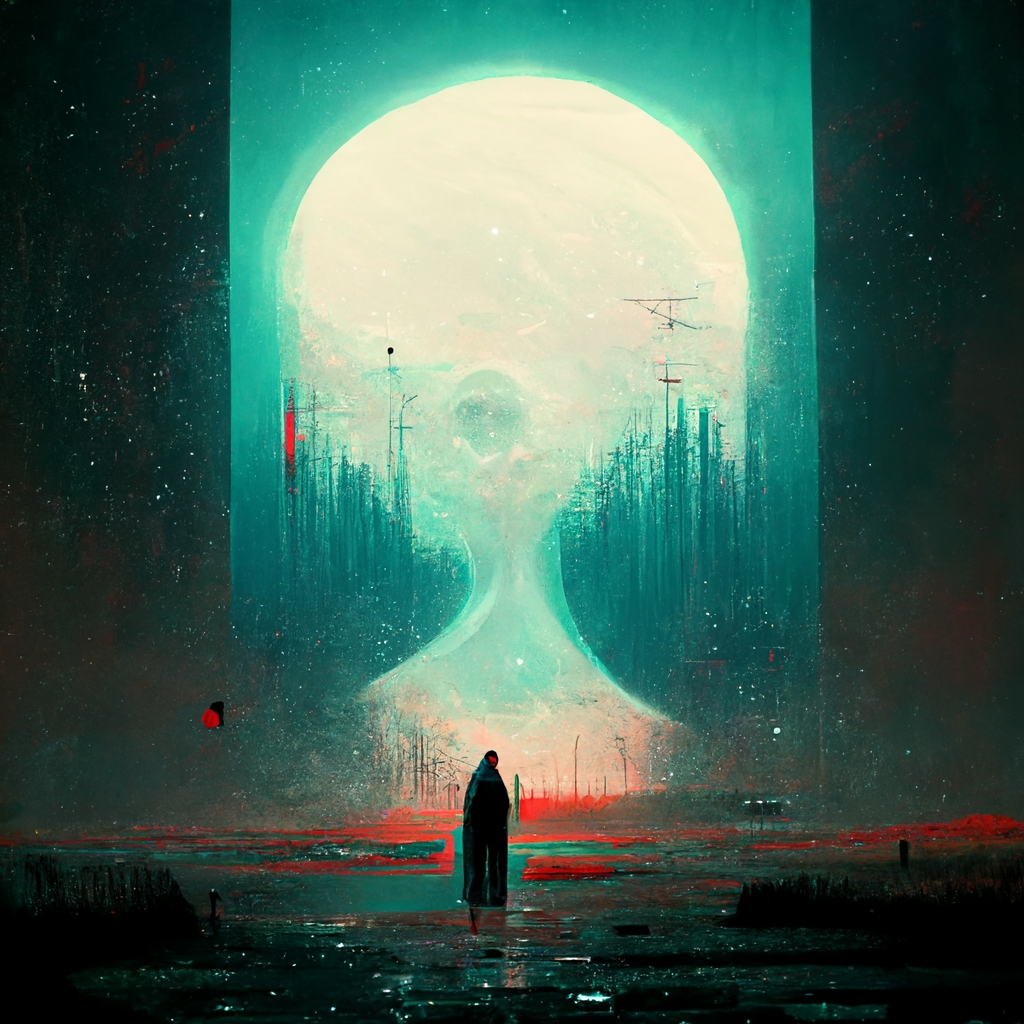
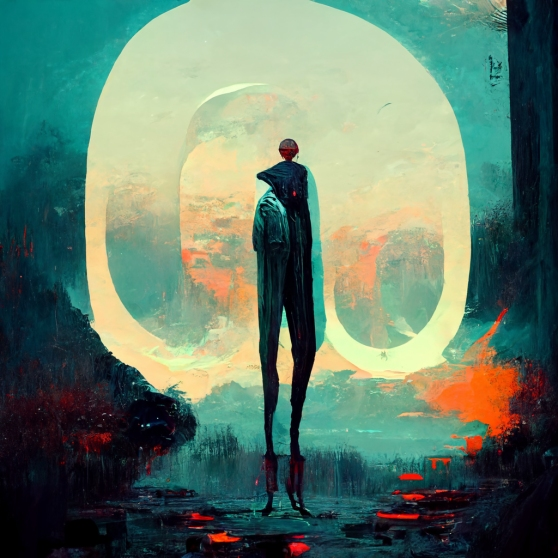
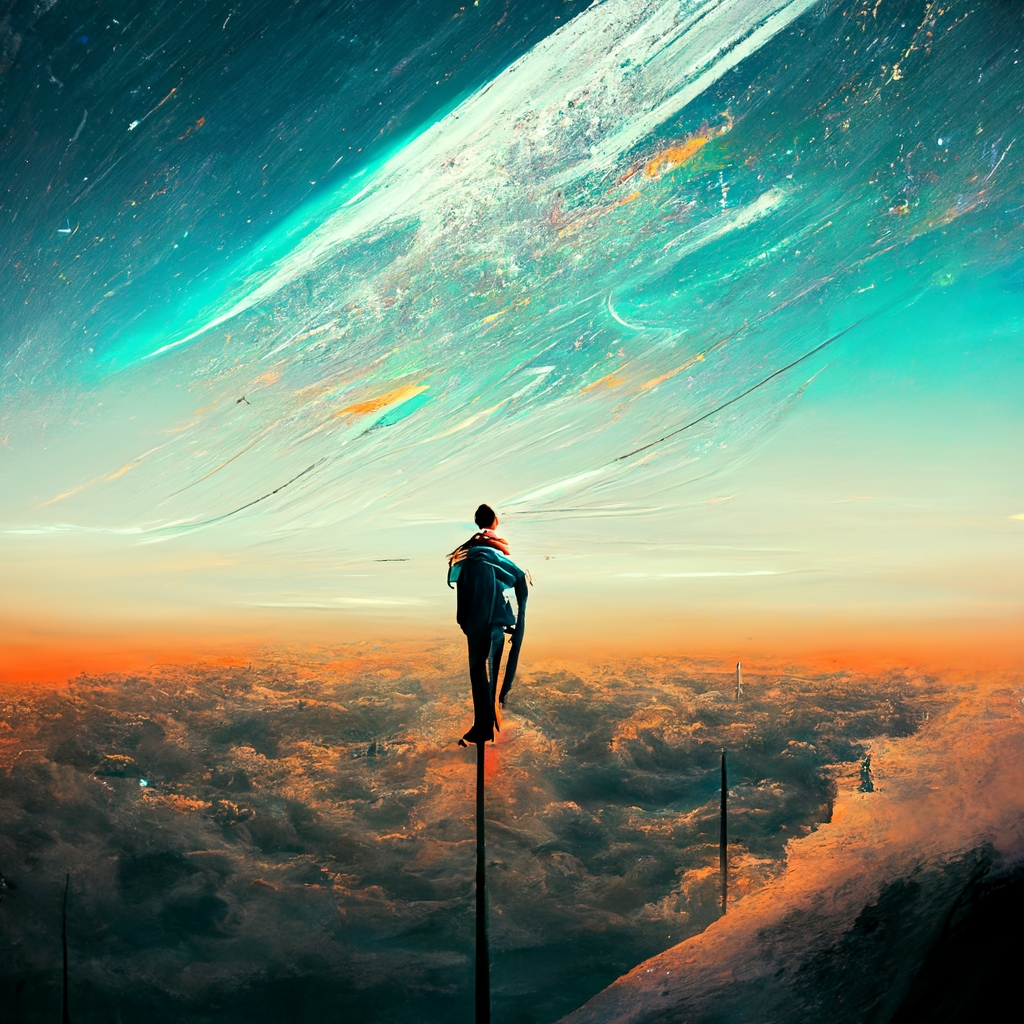
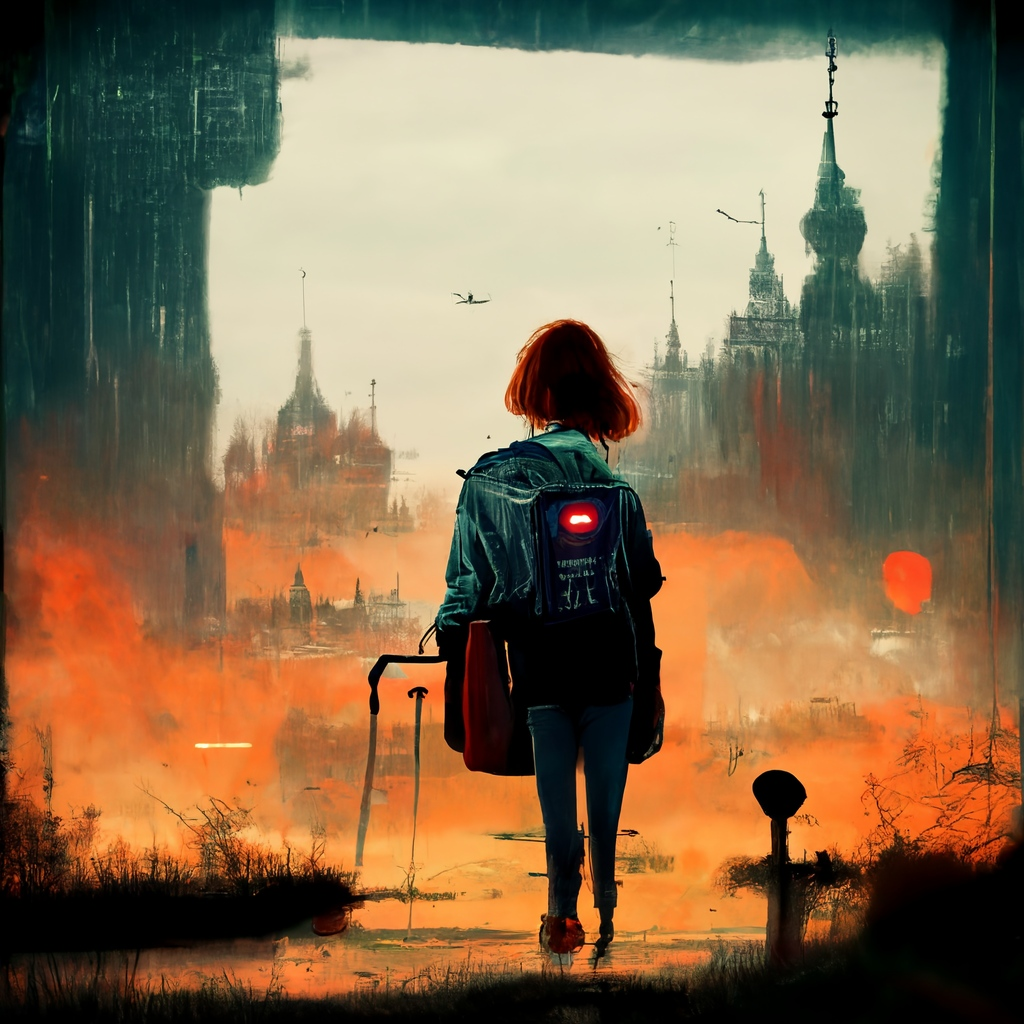
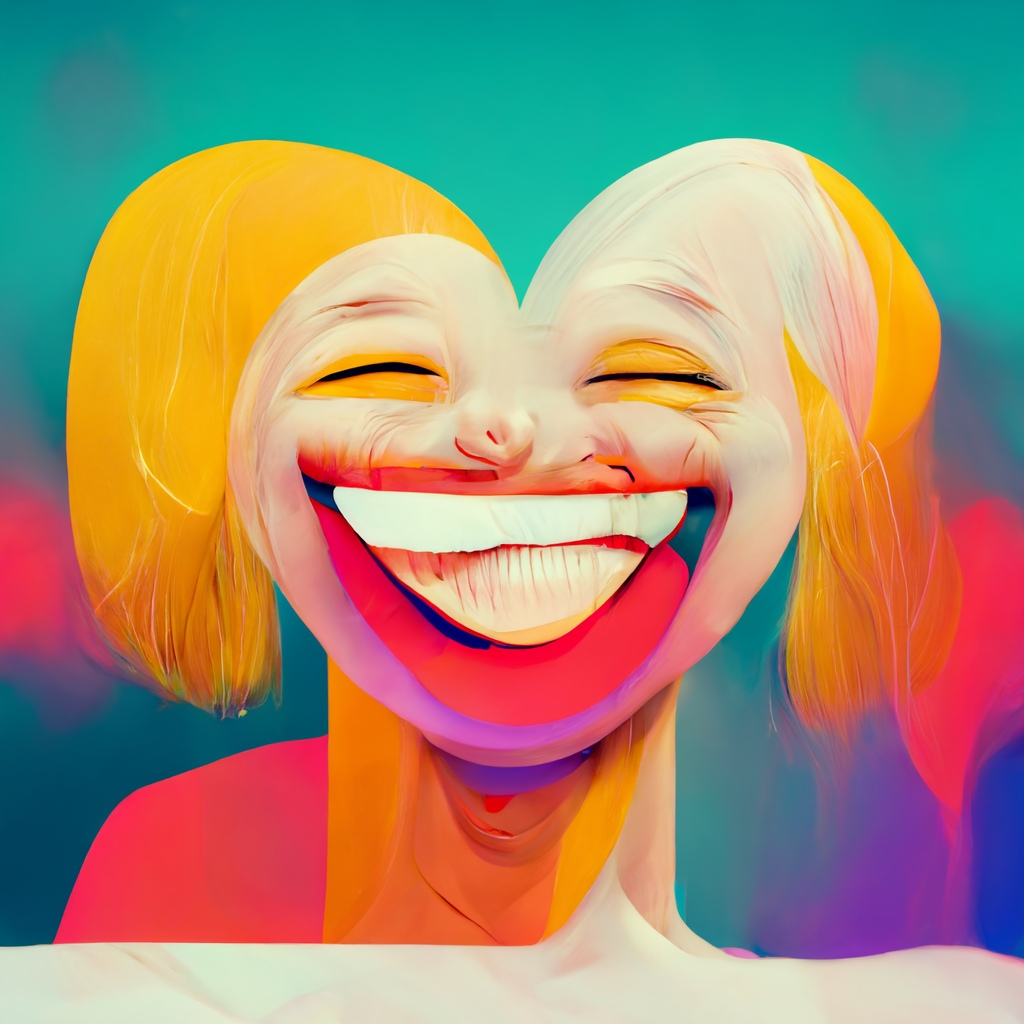

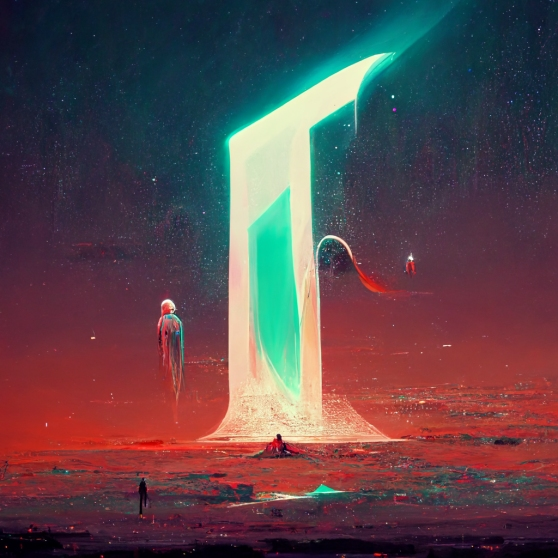
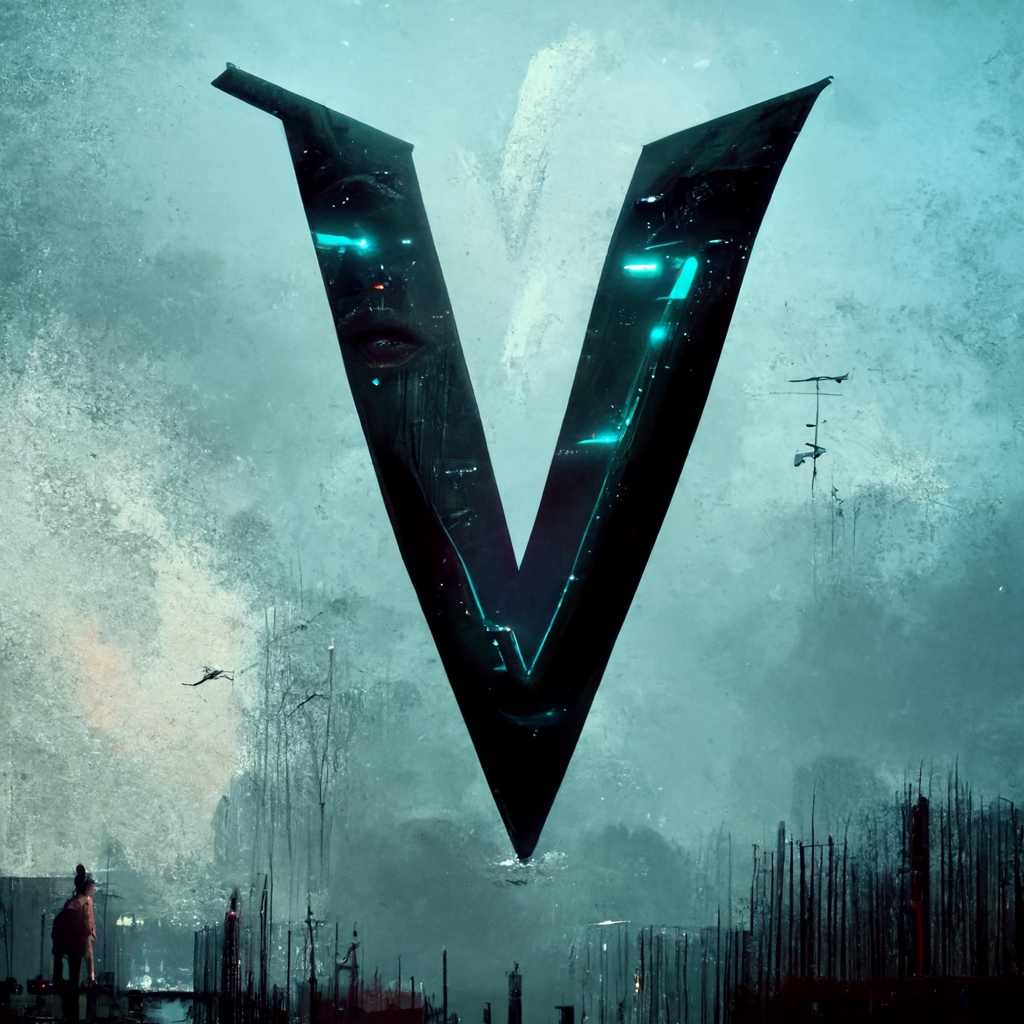
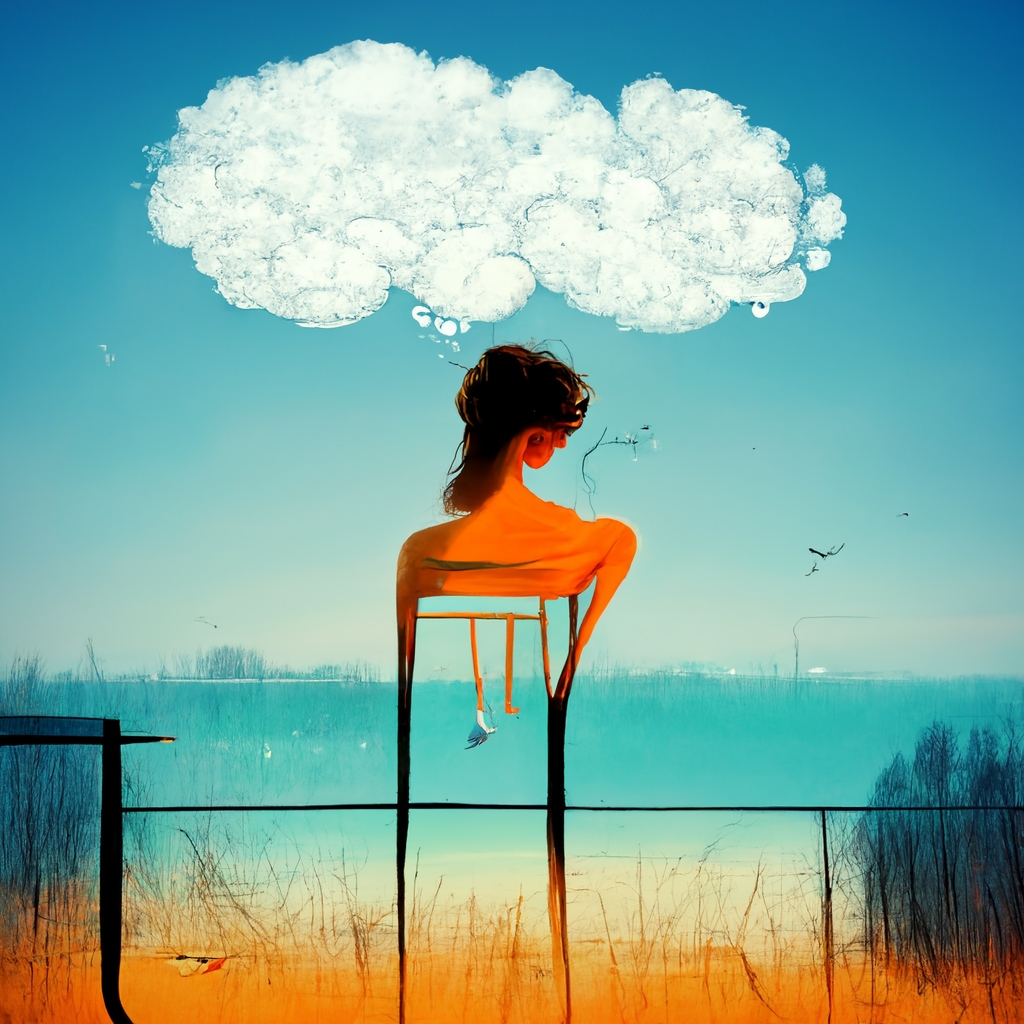
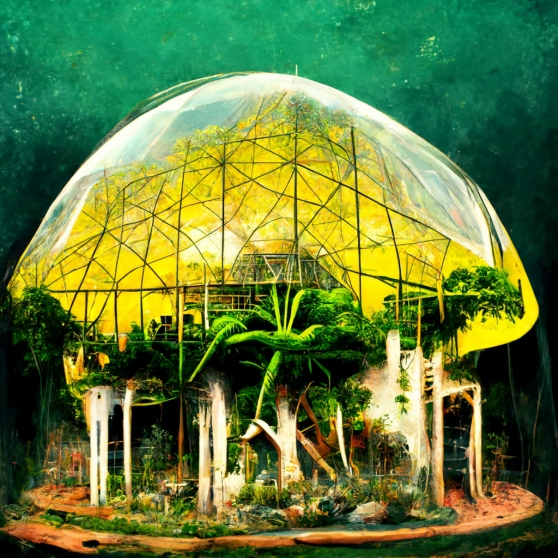
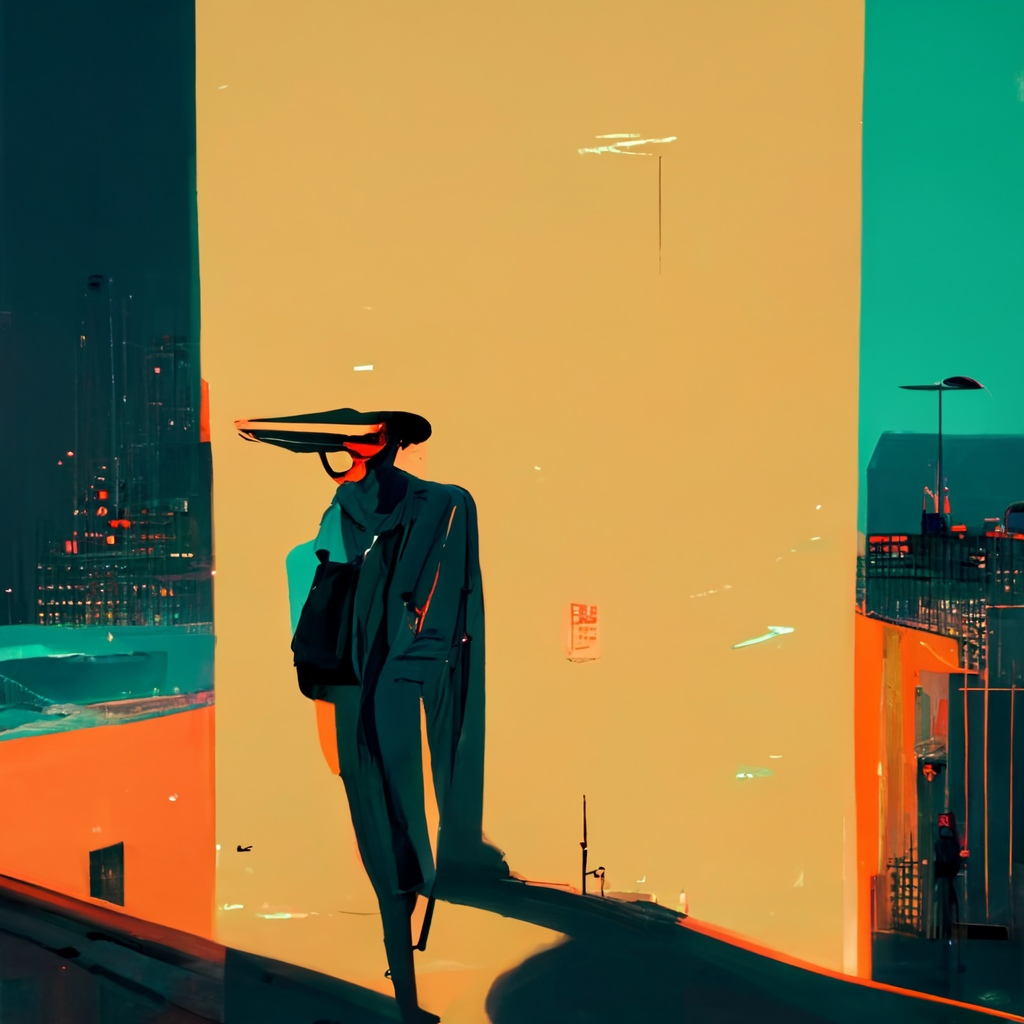

Figure 2: Examples of images generated with Midjourney CLIP guided diffusion without style modifiers.
The Press: Online Communities and Ecosystems
The paper identifies the vital role of digital ecosystems, including collaborative online platforms and resources that contribute to an individual's creative capacity. Online communities offer an environment for learning, experimentation, and social engagement, encouraging shared knowledge and the propagation of prompt engineering techniques. These communities bridge the gap between technology and human creativity by fostering collaboration and information sharing.
Challenges and Future Research
Evaluating AI-assisted creativity poses several challenges due to information asymmetries related to the generative process, input prompts, and system configurations. The paper calls for refined methodologies that account for these variables. Moreover, future research opportunities lie in improving text-to-image systems' understanding of natural language prompts, enhancing the interactive capabilities of AI co-creators, and examining the broader societal implications of AI-generated art.
Conclusion
While text-to-image generation systems bring unprecedented accessibility to art creation, they provoke critical discussions about the nature of creativity. By extending beyond mere product evaluation to consider the artist's interaction, iterative practices, and community influences, this paper broadens the understanding of creativity in the age of AI art. Such insights potentially transform not only the landscape of digital art but also challenge existing paradigms in creativity research.