- The paper systematically organizes and reviews XAI challenges using a rigorous literature review, highlighting key research directions.
- It delineates the distinction between explainability and interpretability, emphasizing their impact on real-world AI applications.
- The study identifies challenges across the ML lifecycle—design, development, deployment—to pinpoint gaps and actionable research needs.
Introduction to Explainable AI
The paper "Explainable AI (XAI): A Systematic Meta-Survey of Current Challenges and Future Opportunities" provides a comprehensive overview of the necessity, challenges, and future directions of Explainable AI (XAI) within the field of artificial intelligence. As AI models become increasingly complex and opaque, the need for transparency in AI decisions has grown, especially in critical sectors like healthcare and security. This paper seeks to systematically organize these challenges and research directions in XAI, thereby fostering further academic inquiry and practical development in making AI models explainable.
The Need for Explainable AI
The justification for XAI stems from multiple fronts: regulatory, scientific, industrial, developmental, and end-user perspectives. Regulatory bodies such as the EU's GDPR require AI systems to provide explanations for decisions affecting individuals. Scientifically, XAI could unravel complex models leading to new scientific insights. Industrially, XAI aims to balance model accuracy with interpretability to meet legal and consumer trust needs. Developmentally, XAI supports debugging and improving models by providing deeper insight into the reasoning behind AI predictions. For end-users, XAI aids in fostering trust by explaining AI decisions comprehensibly.
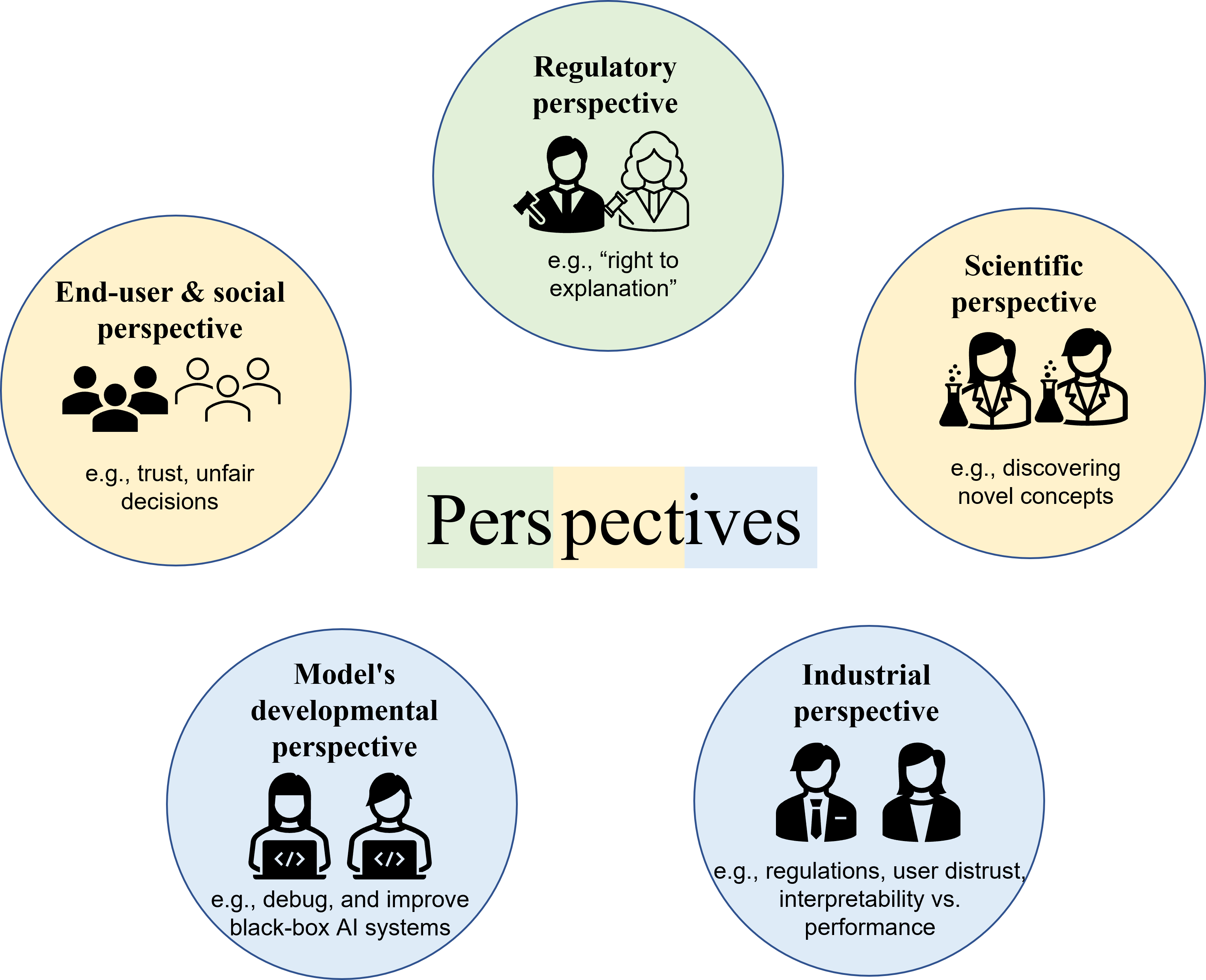
Figure 1: The five main perspectives for the need for XAI.
Defining Explainability vs. Interpretability
A critical aspect discussed in the paper is differentiating between explainability and interpretability. While often used interchangeably, the paper proposes a distinction whereby explainability involves providing insights into AI decision-making, whereas interpretability relates to the extent these insights align with human understanding. This distinction has implications for designing XAI systems that target specific audiences with tailored explanations.
Systematic Review Framework
The authors employed a systematic literature review methodology to identify and categorize the challenges and research directions in XAI. This involved pinpointing relevant academic databases and using specific inclusion and exclusion criteria to filter studies that focus on XAI. This rigorous approach provides a structured overview of the current state of research and highlights areas where further inquiry is needed.
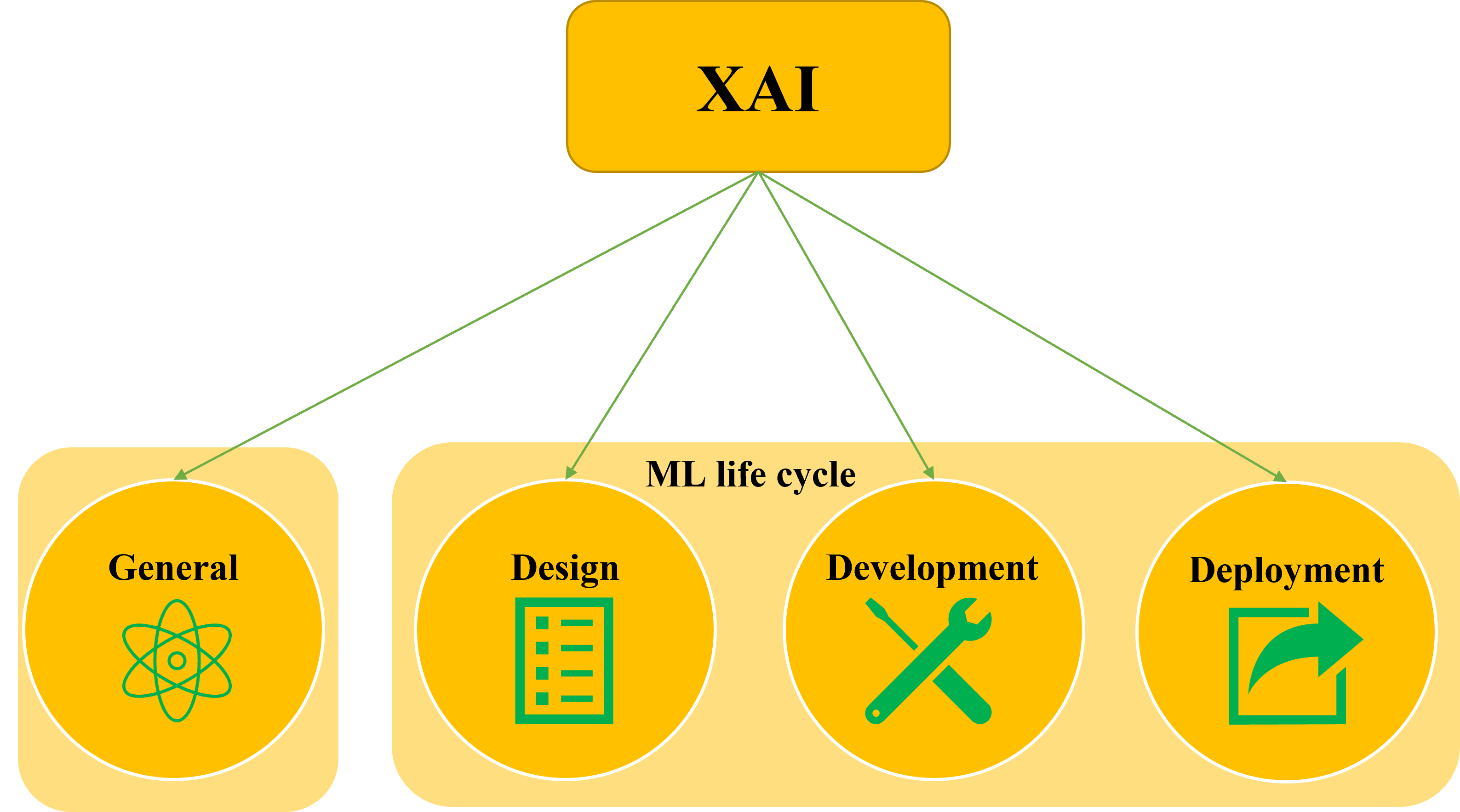
Figure 2: The proposed organization to discuss the challenges and research directions in XAI.
Challenges and Future Directions
General Challenges
Several global challenges exist within the XAI domain, including the need for more formalized definitions, interdisciplinary collaboration, and metrics to quantify explanation effectiveness. Privacy concerns remain prominent, particularly balancing transparency with safeguarding sensitive data. Furthermore, ensuring the scalability of XAI methods alongside mitigating biases in models are ongoing practices needing refinement.
Phases of Machine Learning Lifecycle
The paper organizes challenges according to the phases in the ML lifecycle:
- Design Phase: This involves addressing data quality communication and developing frameworks for secure data sharing.
- Development Phase: A key focus here is enhancing transparency during model training and optimizing interpretability for complex architectures and diverse data types.
- Deployment Phase: Emphasizes the need for seamless integration of interpretability methods in AI systems, ensuring they remain robust to adversarial attacks while maintaining user-centric explanations.
The paper provides insights into how interdisciplinary approaches can cross-pollinate ideas between fields like neuroscience, psychology, and human-computer interaction to enrich the discourse on XAI.
Conclusion
The systematic approach to annotating challenges and opportunities within the XAI landscape is indispensable for charting future research paths. The paper serves as a foundational roadmap for researchers aiming to bridge the gap between increasingly autonomous AI systems and the human-centric need for transparency and accountability. Despite inherent limitations in the meta-survey, the work significantly enriches the dialogue surrounding XAI, paving the way for innovations that can enhance AI's societal impact without compromising ethical standards.