- The paper provides a comprehensive review of GNN-based models for traffic flow, speed, and transit forecasting, highlighting state-of-the-art methodologies.
- The paper details various techniques including GCNs, GATs, and spatiotemporal networks to capture complex spatial and temporal dependencies in transportation systems.
- The paper highlights practical implementations and future challenges, advocating for standardized datasets and dynamic graph models for real-time applications.
Graph Neural Network for Traffic Forecasting: A Survey
Introduction
The research paper titled "Graph Neural Network for Traffic Forecasting: A Survey" (2101.11174) offers a comprehensive review of the application of Graph Neural Networks (GNNs) in traffic forecasting. This survey paper primarily addresses the growing complexity of transportation systems due to urbanization and population growth, necessitating effective traffic forecasting models. Traditional methods struggle to accommodate the spatial-temporal dependencies inherent in these forecasting problems. However, GNNs have emerged as potent tools for modeling the complex graph structures within transportation systems, hence achieving state-of-the-art performance in various traffic prediction tasks.
Problem Domains in Traffic Forecasting
Traffic forecasting encompasses a spectrum of problem domains, including road traffic flow, speed forecasting, passenger flow in urban transit systems, and demand prediction for ride-hailing services. The survey categorizes traffic forecasting problems across different levels—road-level, region-level, and station-level—each requiring distinct modeling strategies based on the spatial distribution of nodes within the graph structures. For instance, road-level flow predictions utilize sensors as nodes, capturing the dynamics of vehicle movement across road intersections (Figure 1).
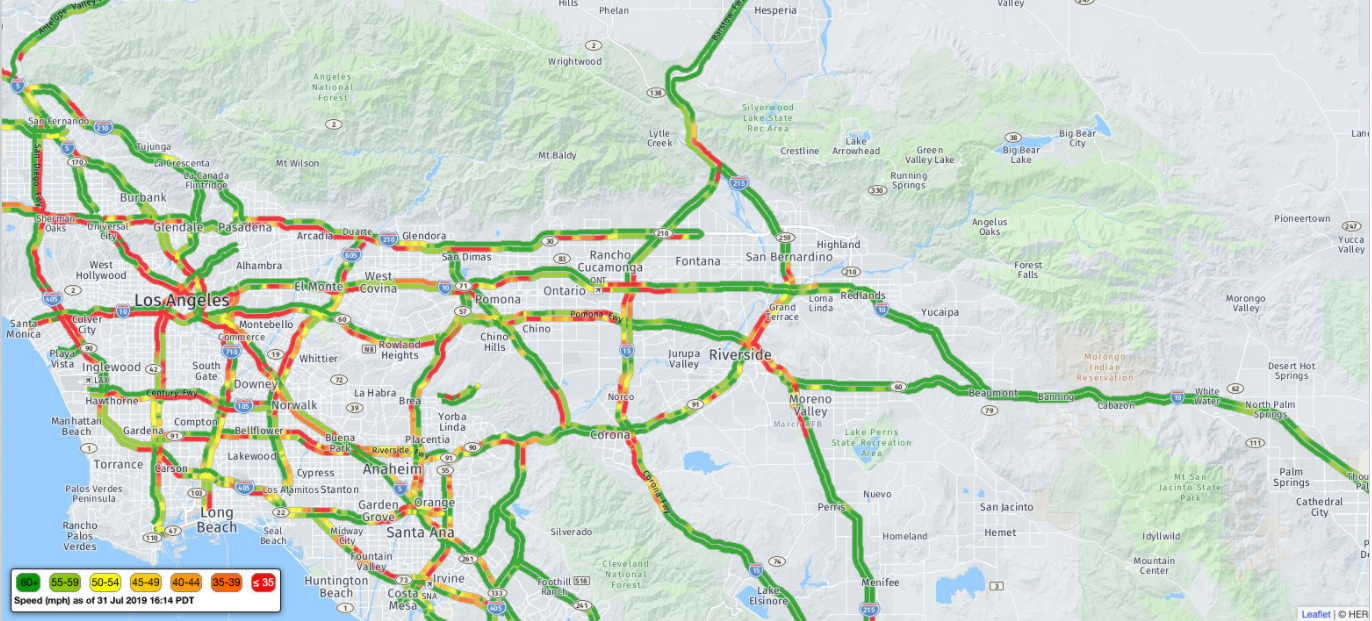
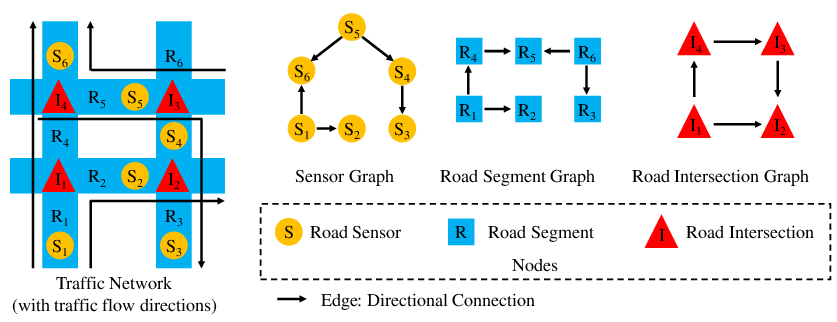
Figure 1: The real-world case and example of road-level graphs.
Region-level graphs often utilize geographical partitioning strategies such as zip-code zones to predict traffic flow in city regions, illustrated by the zip codes of Manhattan (Figure 2).
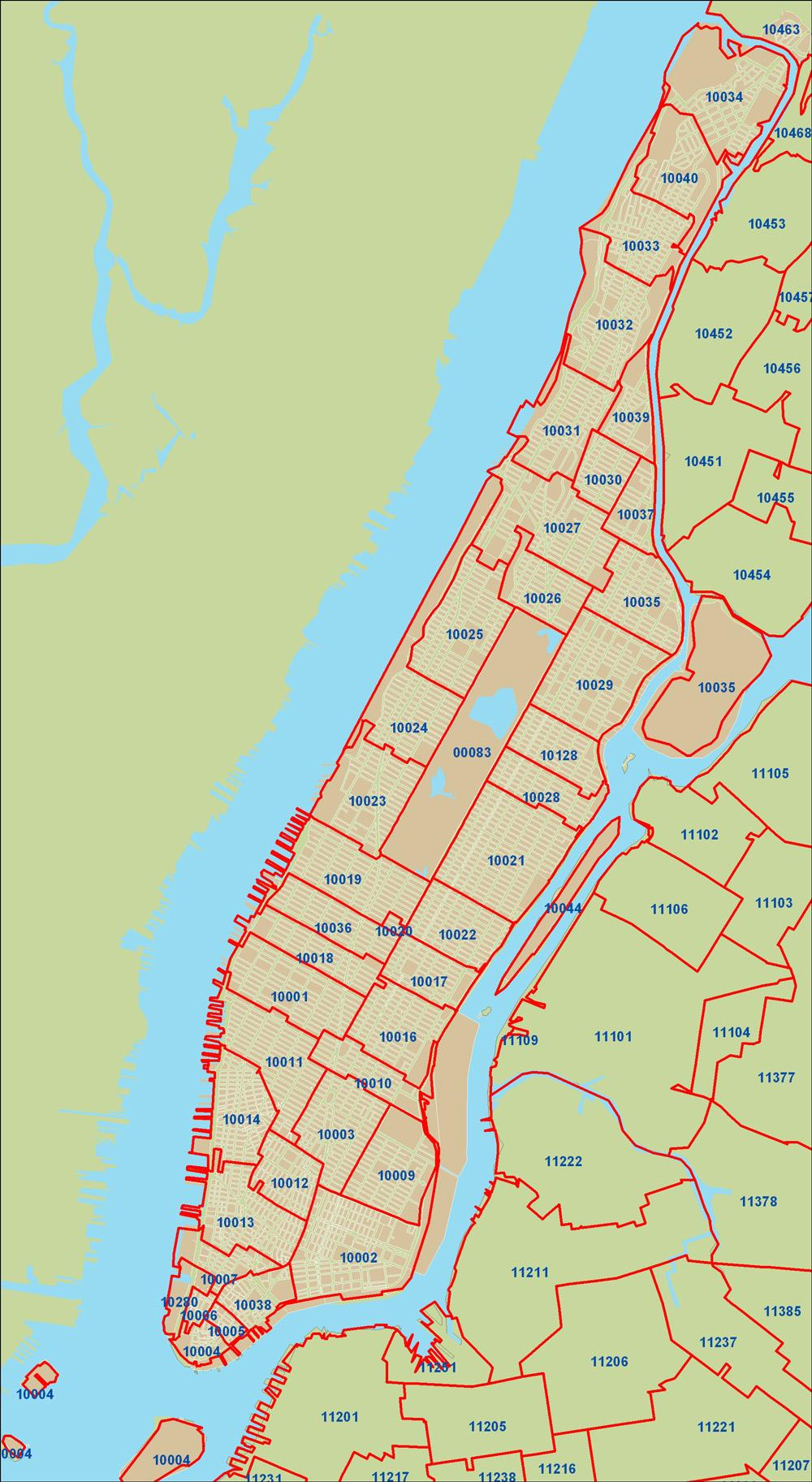
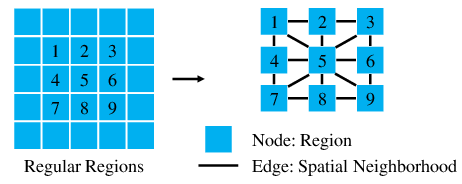
Figure 2: The real-world case and example of region-level graphs.
Station-level graphs are employed for public transportation forecasting, modeling interactions in subway or bus networks, as depicted by the Beijing subway system (Figure 3).
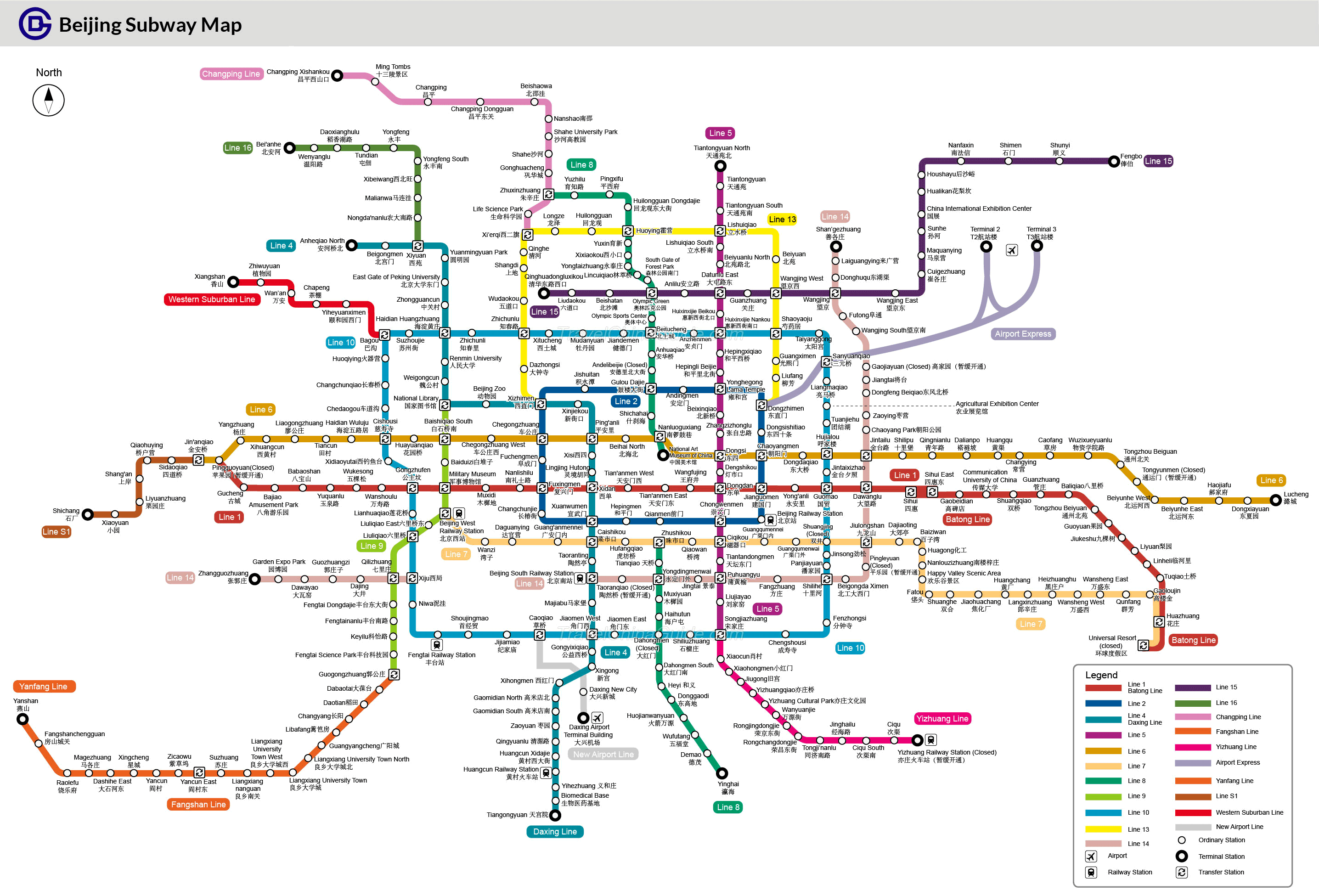
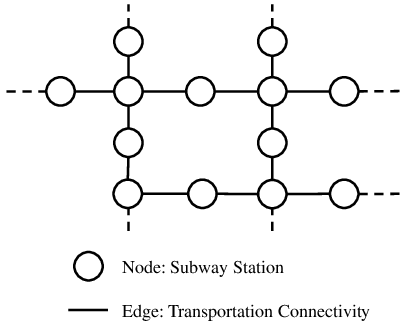
Figure 3: The real-world case and example of station-level graphs.
Graph Neural Networks: Techniques and Innovations
Graph Neural Networks have significantly advanced the traffic forecasting domain by efficiently capturing non-Euclidean spatial dependencies in graph formats. Several variants of GNNs have been explored in traffic applications, including Graph Convolutional Networks (GCNs), Graph Attention Networks (GATs), and Diffusion Convolutional Networks (DCNs). Among these, Spatiotemporal Graph Neural Networks integrate temporal dependencies to provide robust predictions over dynamic systems (Figure 4).
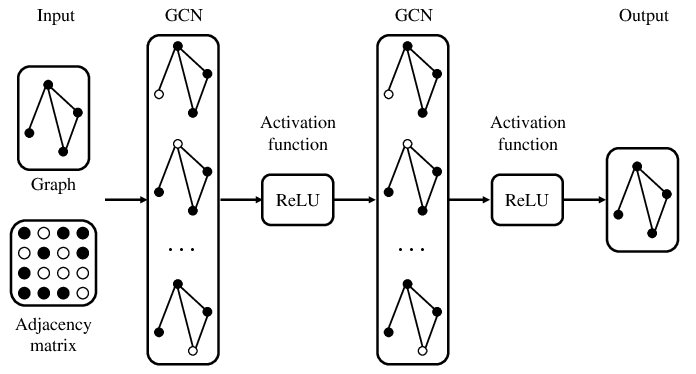
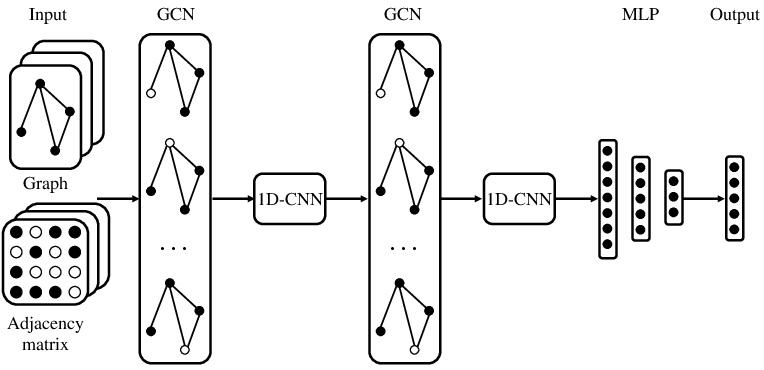
Figure 4: A comparison between a two-layer GCN model and a typical spatiotemporal GNN structure.
The paper acknowledges the growing interest in dynamic graphs, which adapt to changes in traffic conditions and network structures over time. This dynamic aspect allows for real-time updates in the predictions and ensures better adaptability across diverse environmental conditions.
Practical Applications and Open Resources
The survey not only presents academic advancements but also emphasizes practical implementations of GNN-based models in traffic forecasting. It highlights the necessity for publicly available datasets and source code resources to facilitate replication and further exploration in the field. The PeMS dataset is frequently referenced, demonstrating its utility across numerous studies for training GNN models due to its comprehensive collection of traffic sensor data over California's road networks.
Challenges and Future Directions
While GNNs have revolutionized traffic forecasting, the paper identifies several ongoing challenges. These include handling heterogeneous data sources that could improve forecasting accuracy, addressing multi-task forecasting scenarios, and scaling models for city-wide real-time applications. The survey suggests future research in developing centralized data repositories to support standardized benchmarking, implementing dynamic graph structures for real-time updates, and integrating GNNs with advanced AI techniques like Transfer Learning and Meta-Learning.
Conclusion
The survey on Graph Neural Networks for traffic forecasting elucidates both the progress and the challenges within this research field, providing a clear roadmap for future developments. By articulating various graph structures, applications, and potential directions, the paper serves as a comprehensive guide for researchers aiming to enhance traffic forecasting methods utilizing GNNs.

