- The paper presents 3D-FRONT, a comprehensive dataset of 18,968 synthetic furnished rooms with high-resolution textures and professional design aesthetics.
- The methodology uses AI-driven graph auto-encoders and a design recommender system to optimize furniture layouts and ensure semantic consistency.
- User studies and metrics like MMD and LPIPS validate the dataset's superior layout plausibility and texture diversity for advanced scene synthesis.
Overview of "3D-FRONT: 3D Furnished Rooms with layOuts and semaNTics"
The paper introduces 3D-FRONT, a comprehensive repository of synthetic indoor scenes closely tied to real-world application needs such as interior design and scene generation. The dataset boasts 18,968 rooms filled with high-quality 3D furniture models, each meticulously textured and stylistically curated to offer professionals robust data for academic research and practical applications. The repository is designed to surpass existing scene datasets in terms of quantity and quality, leveraging advanced recommendations for layout designs.
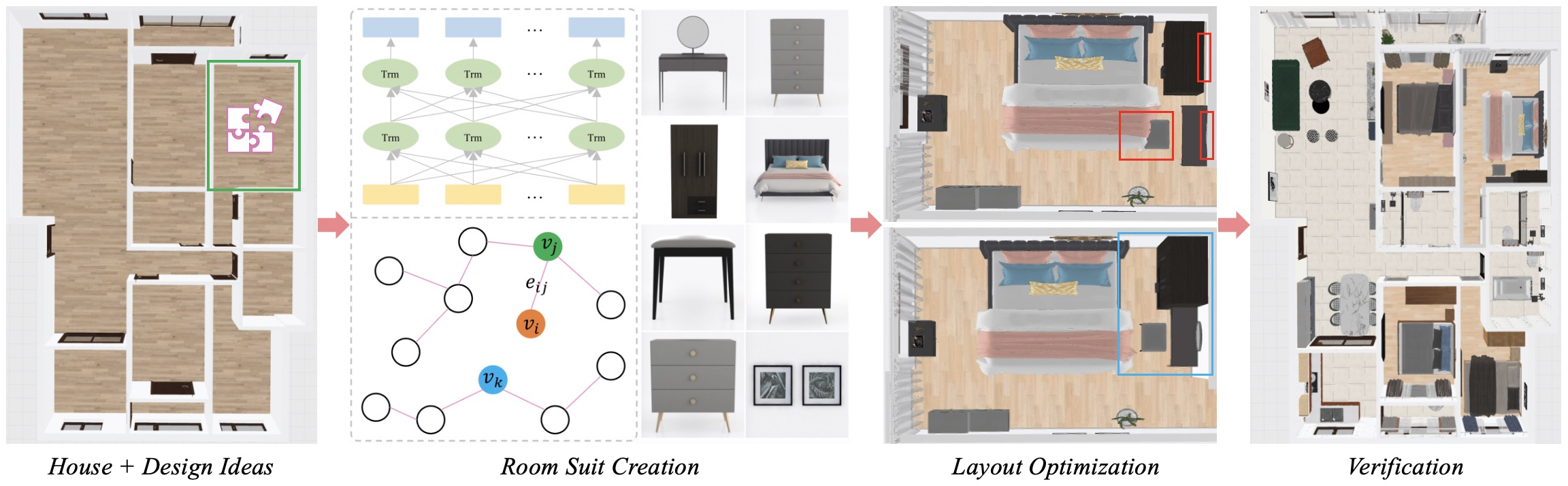
Figure 1: Pipeline of building 3D-FRONT.
Dataset Characteristics
3D-FRONT distinguishes itself through its extensive scale and attention to professional design, far transcending previously existing datasets. Existing datasets, such as ScanNet and SUNCG, either suffer from low mesh quality due to reliance on scanned reconstructions or lack professional interior designs. In contrast, 3D-FRONT includes object semantics and high-quality textures from the 3D-FUTURE dataset, ensuring consistency across room layouts and styles. The dataset's professional design underpins an innovative recommender system for furniture selection based on stylistic and size compatibilities.
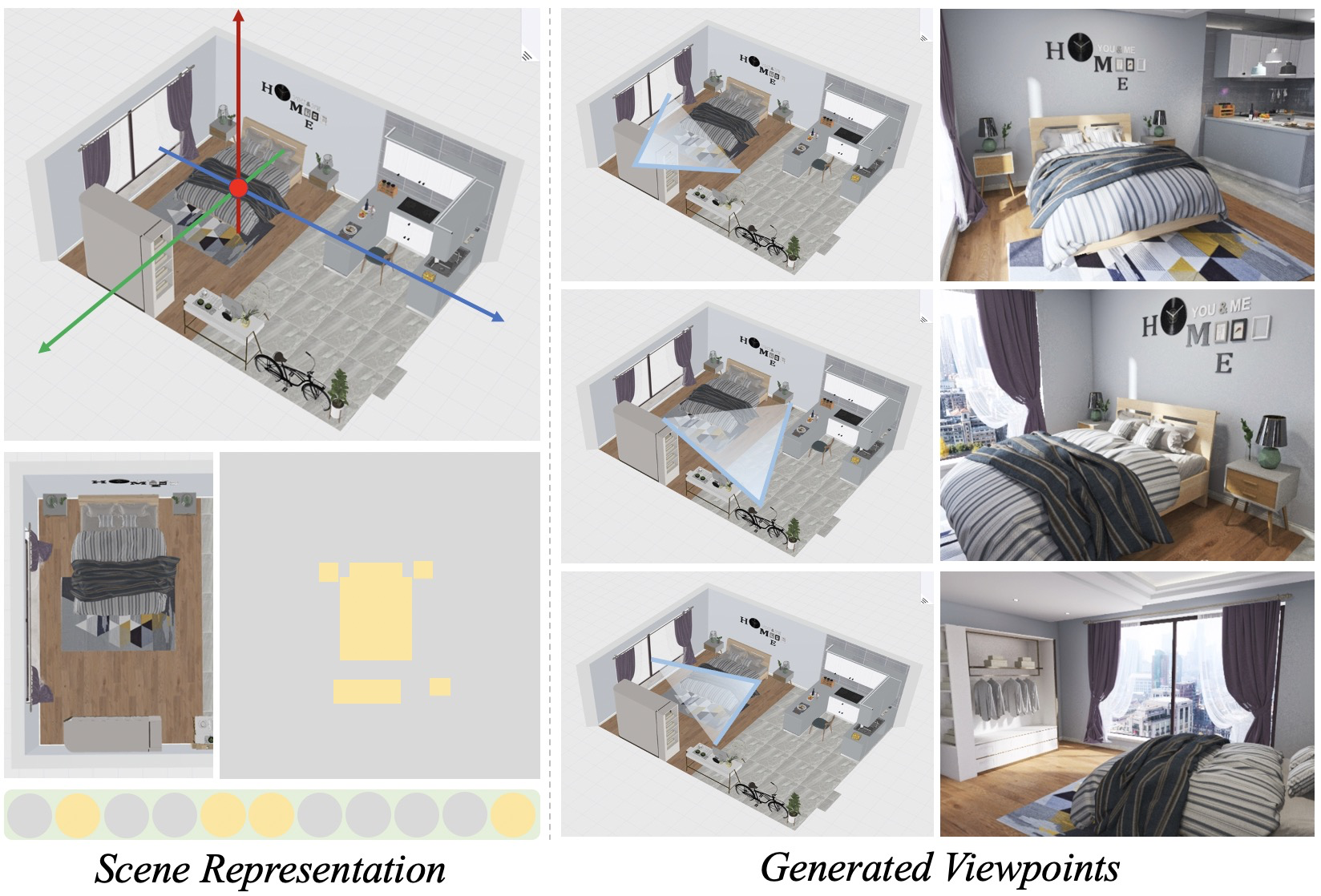
Figure 2: Viewpoint Generation. Each scene is associated with several natural camera views to facilitate rendering.
Building and Optimizing 3D-FRONT
The creation of 3D-FRONT involved a series of steps beginning with room suite creation using a furnishing suite composition approach. AI-driven systems enhance this process, using graph auto-encoders to predict visual compatibility across furniture suites. This high-dimensional data embedding supports layout optimization with constraints such as pairwise distances and accessibility, leading to final designs that have been vetted for quality assurance.
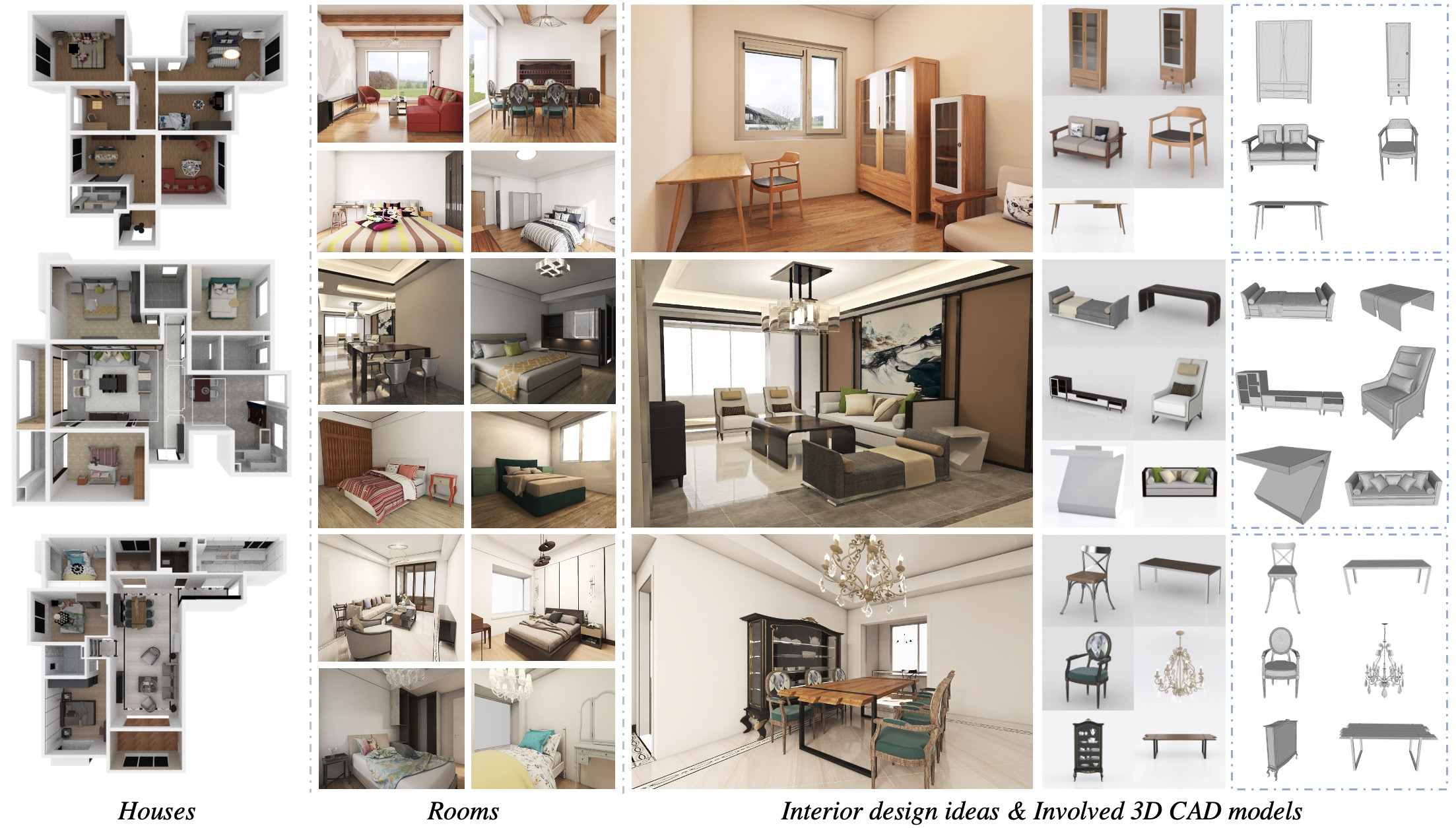
Figure 3: House Examples in 3D-FRONT. Top-down views and detailed room samples display the diversity in designs.
Applications in Scene Synthesis
With its comprehensive data framework, 3D-FRONT is primed for scene synthesis applications, offering extensive training data for methods such as deep convolutional neural networks used to predict and arrange room layouts. Compared to datasets like SUNCG, the synthesized scenes exhibit a richer variety of objects and plausible layouts, with quantifiable improvements in metrics like minimum matching distances (MMD) and coverage (COV).
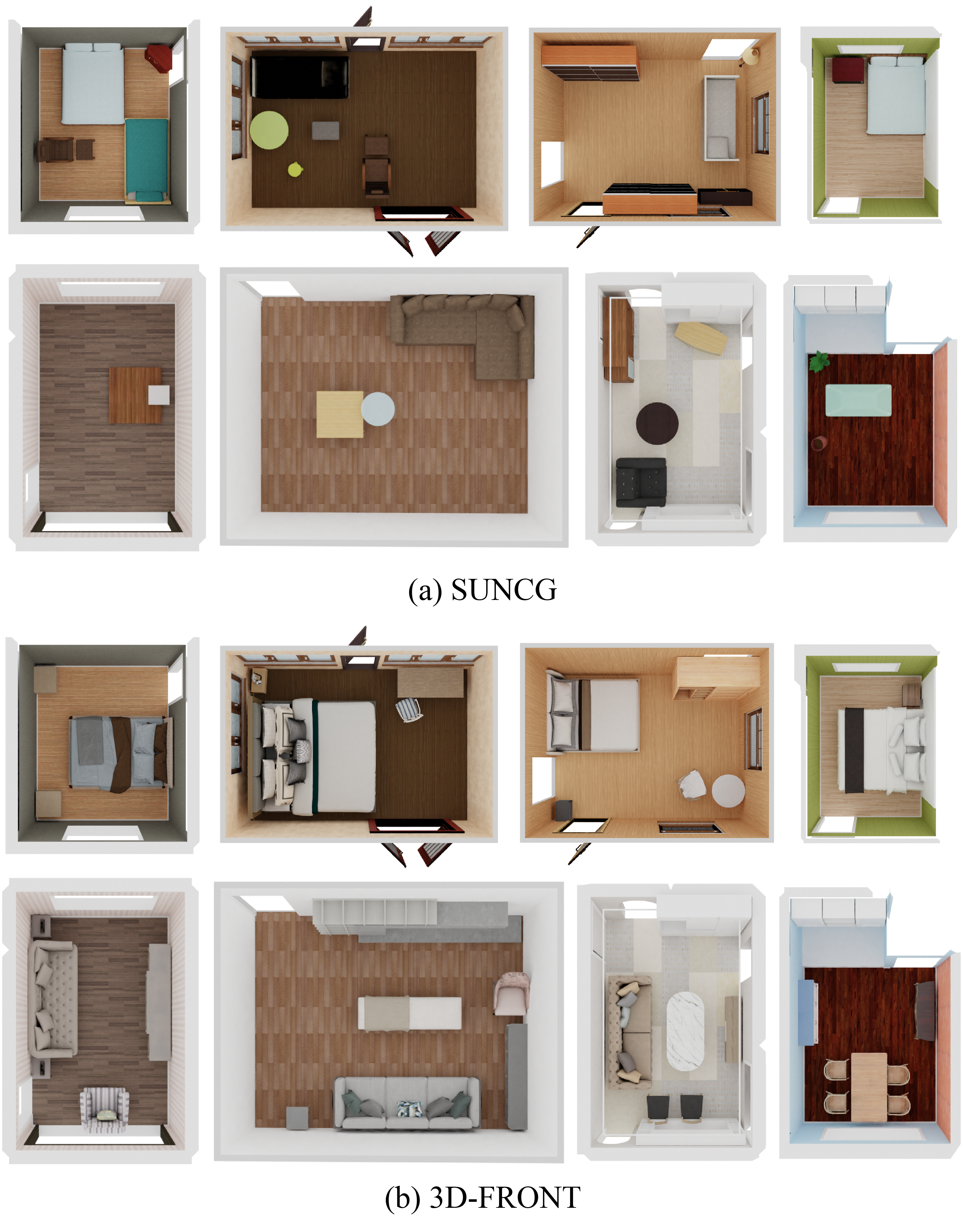
Figure 4: Interior Scene Synthesis. Scenes synthesized from empty rooms demonstrate dataset richness.
Texturing Objects in Scenes
3D-FRONT facilitates texture synthesis for 3D models within scenes, allowing for high-quality texture generation aligned with scene context. Extending models like TM-Net, the dataset enables complex object relationships to generate visually coherent textures, proving more effective than standard datasets like ShapeNet. Experiments have shown superior LPIPS scores, indicating greater texture diversity and user-preferred visual richness.
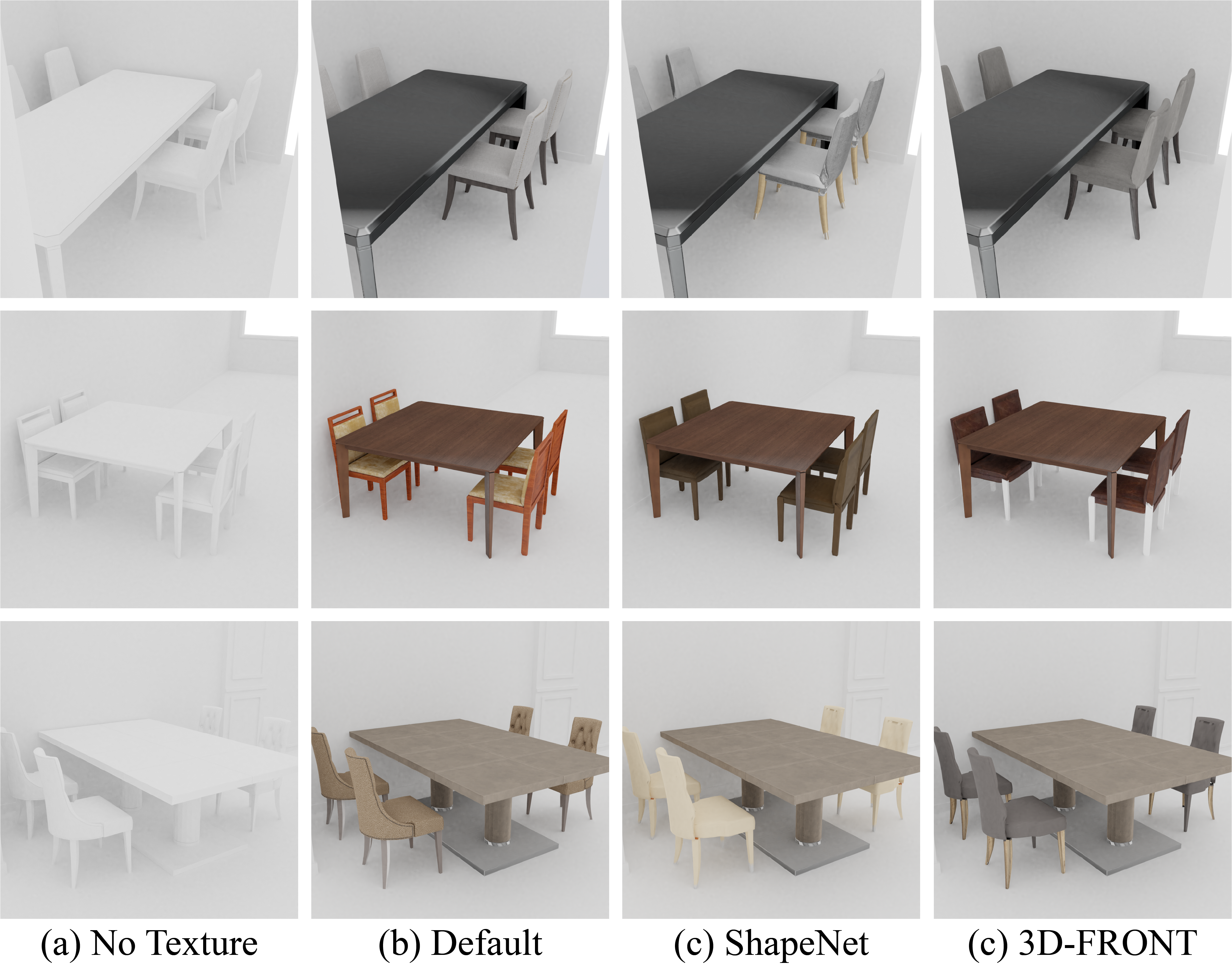
Figure 5: Texturing 3D models in indoor scenes. Chair textures generated are conditioned on table textures.
Validation, Assessment, and User Studies
Extensive user studies and qualitative assessments have validated the dataset's quality, with preferences from expert users confirming its superiority in categories such as plausible layout and style compatibility. Comparative analysis showed marked preference in process-generated design and texture quality over other datasets, including SUNCG. These metrics substantiate the value of 3D-FRONT for professional applications in AI and design.
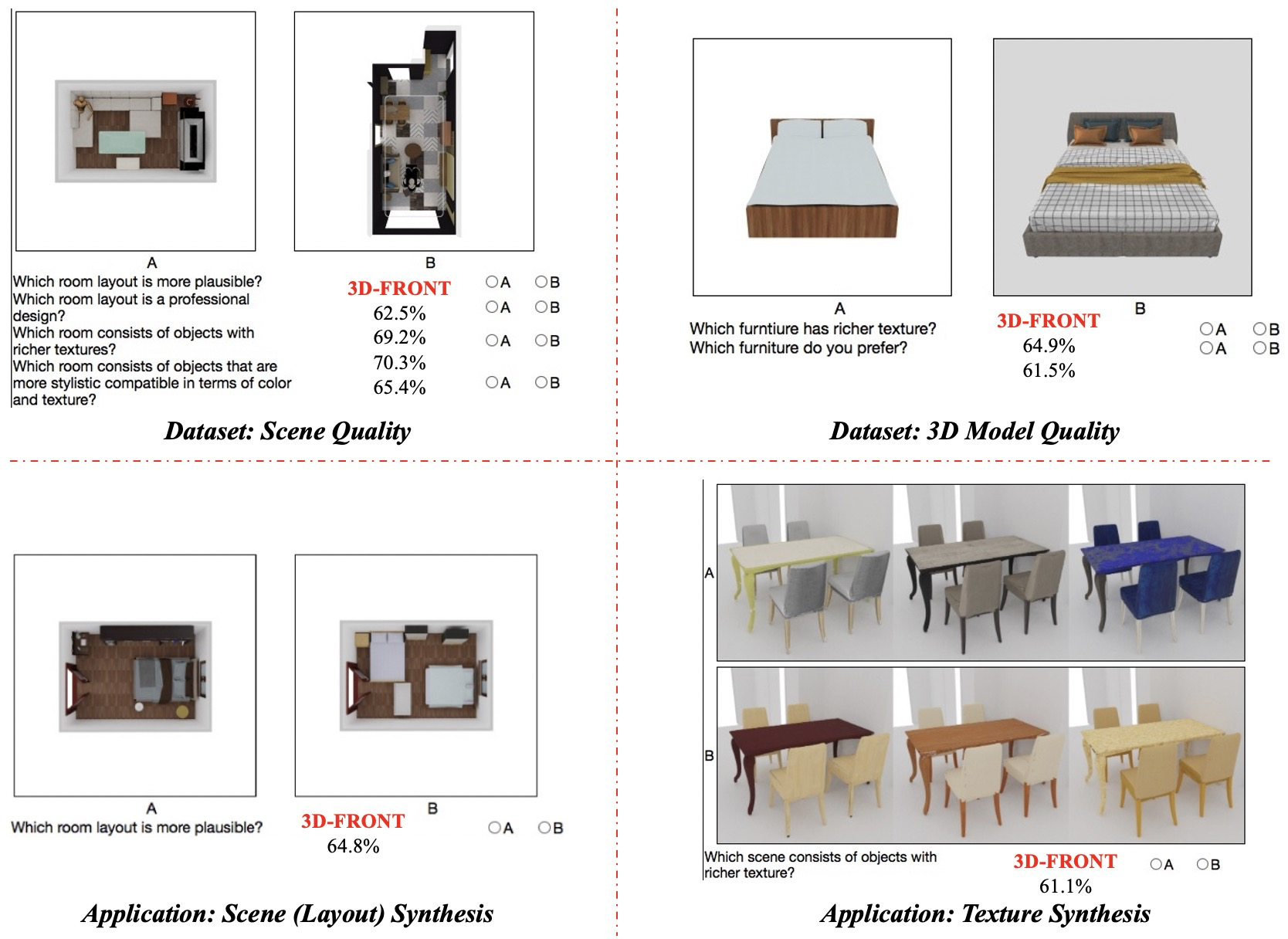
Figure 6: User Studies show preference for 3D-FRONT across quality criteria.
Conclusion
3D-FRONT stands as a pivotal resource for the computer vision and graphics community, addressing previous limitations in scene datasets with its robust, professionally curated repository. By offering enriched high-quality data, the dataset not only fills the void left by datasets such as SUNCG but sets a new standard for indoor scene analysis and synthesis applications. Future expansions aim to enhance texture richness and geometric content, ensuring its longstanding utility in both academic research and industry applications.